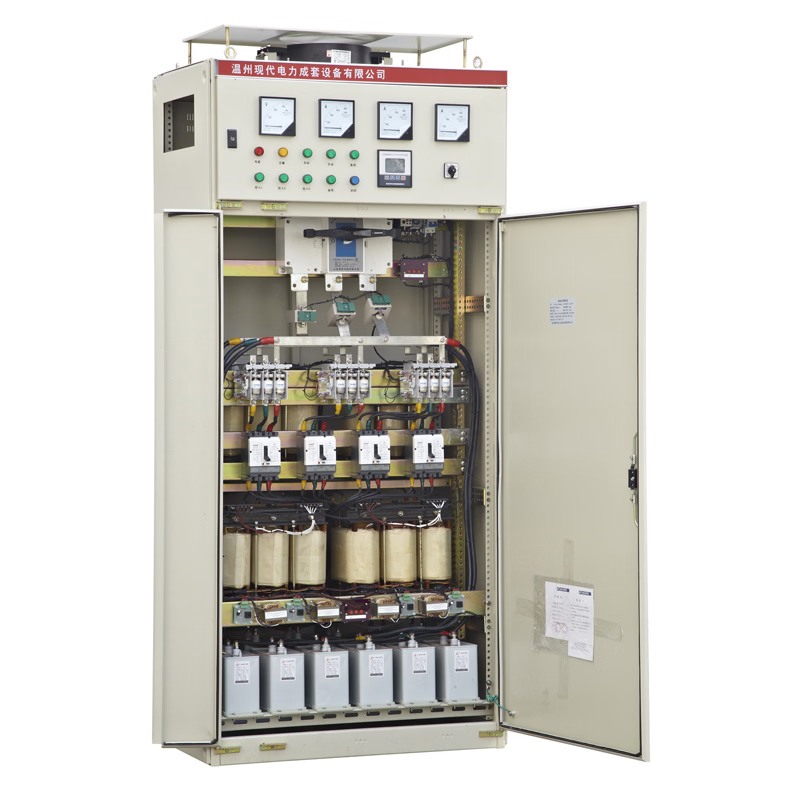
Power Factor Correction System in Greater Noida
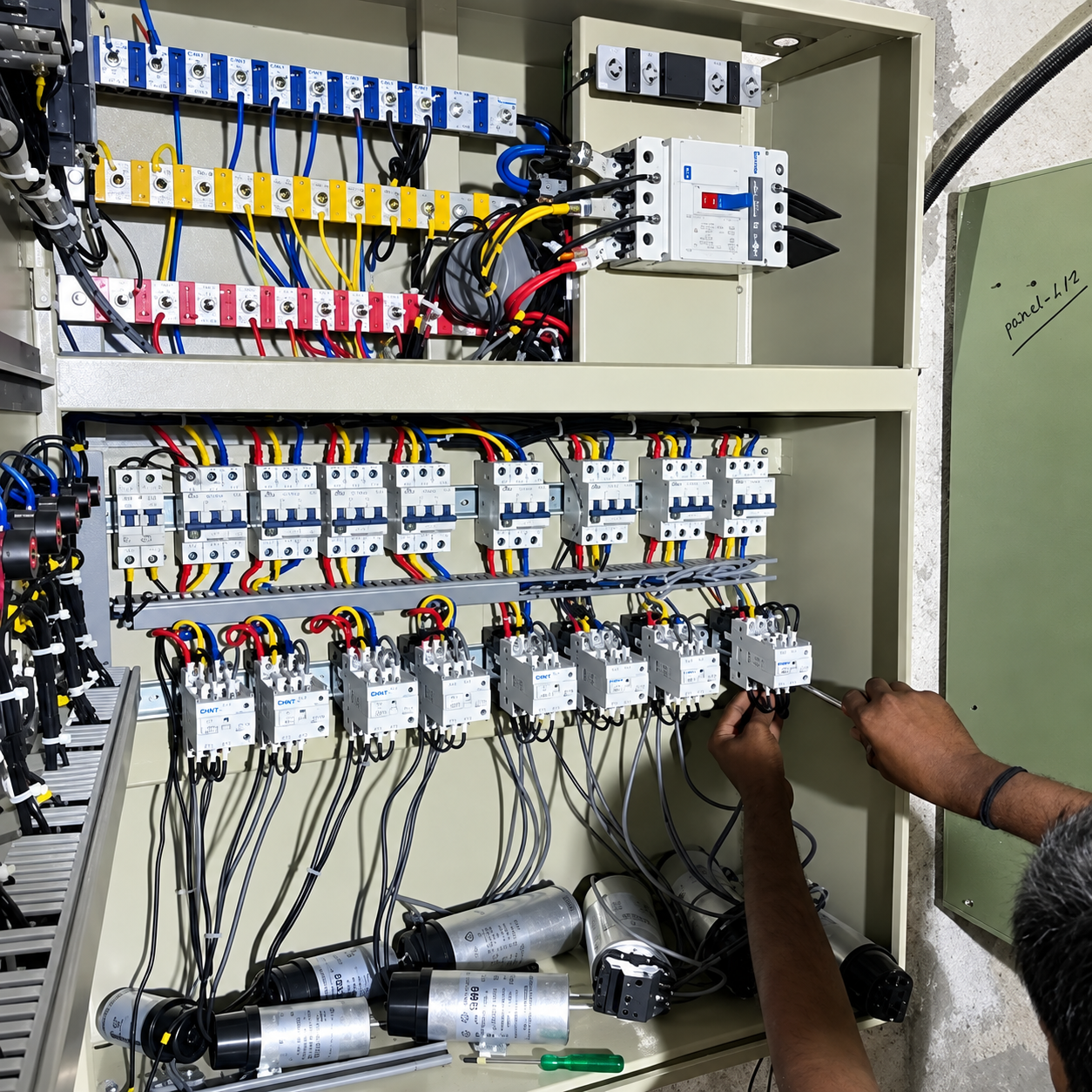
Power Factor Correction System in Greater Noida for Efficient Electrical Performance
Transparent Infra And Energy Solutions supports commercial and industrial facilities looking for a Power Factor Correction System in Greater Noida. Our approach begins with understanding the site's electrical load, operating pattern and existing power factor before planning a suitable correction solution.
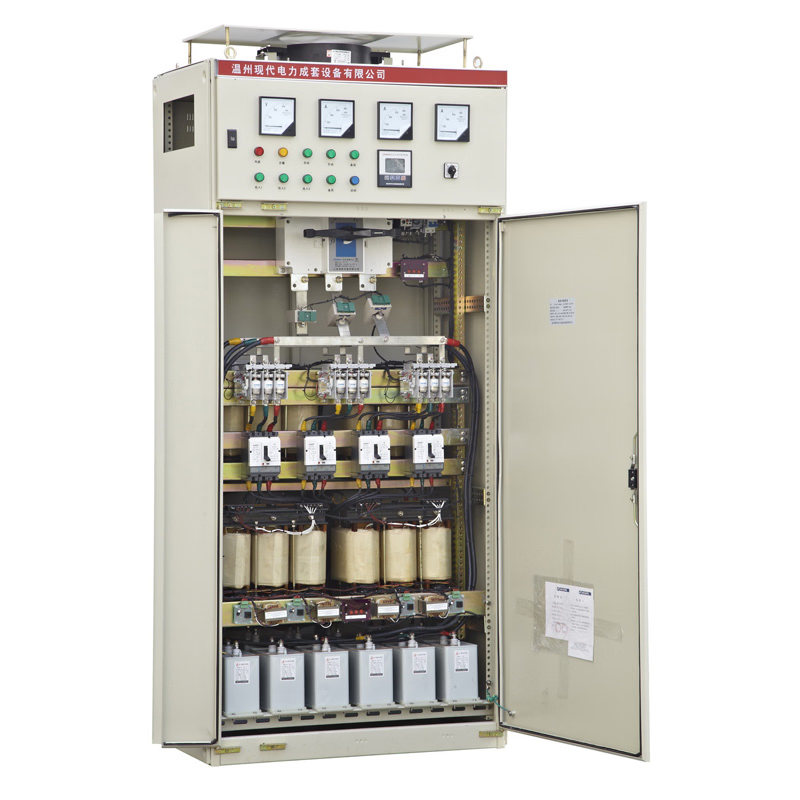
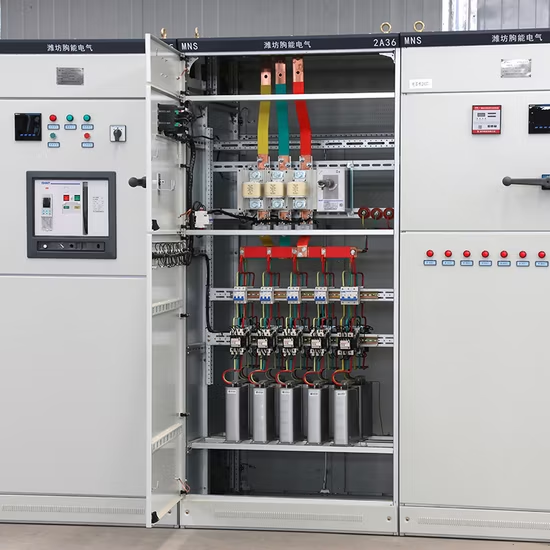
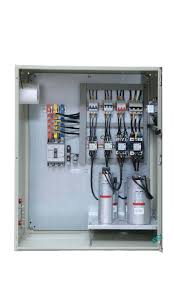
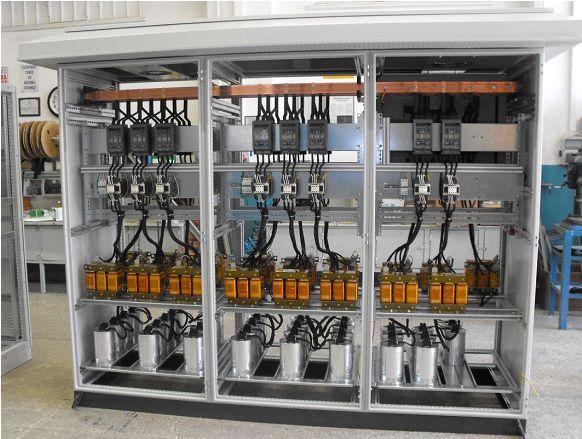
Depending on the application, the system may include an automatic power factor correction (APFC) panel, capacitor banks, switching equipment, protection and monitoring components. Correct sizing and commissioning help the installation respond to changing loads and remain practical to maintain.
Power Factor Correction Solutions Designed Around Your Load
Every facility has a different load profile. We consider measured readings, panel capacity, harmonic conditions and available installation space when discussing options for a Power Factor Correction System in Greater Noida. The final configuration should be based on site assessment rather than a one-size-fits-all specification.
Our services can support manufacturing units, commercial buildings, offices, warehouses, hospitals, hotels and other facilities that need reliable reactive power management and clear maintenance planning.
Request a Consultation ↗Why Choose a Power Factor Correction System in Greater Noida?
A Power Factor Correction System in Greater Noida helps commercial and industrial sites manage reactive power, improve electrical efficiency and make better use of available distribution capacity. The right configuration depends on measured load behaviour, operating hours and the target power factor.
- Better use of available transformer and cable capacity by reducing unnecessary reactive current.
- Automatic capacitor-stage control for facilities with changing electrical loads.
- Capacity and step selection matched to the actual load profile.
- Power-quality assessment before recommending capacitor banks or harmonic mitigation.
- Clear panel identification, protection and maintenance access planned into the installation.
- Commissioning checks to confirm controller operation and capacitor-stage switching.
- Routine inspection to identify temperature, connection or component issues early.
Transparent Infra And Energy Solutions supports power factor improvement through assessment, system planning, Transparent Infra And Energy solutions and service coordination. Recommendations should be based on actual site readings rather than a standard panel size chosen without load analysis.
Power Factor Correction and Transparent Infra And Energy Expertise
Inductive equipment such as motors, pumps, compressors, HVAC systems and transformers can increase reactive power demand. A correctly selected capacitor bank supplies compensation close to the load and can help reduce avoidable current in the electrical distribution system.
An automatic power factor controller monitors the system and switches capacitor stages according to changing demand. This helps maintain a more stable power factor when production schedules, equipment use or building loads vary throughout the day.
Before specifying a solution, the electrical team should review load patterns, existing capacitor equipment, panel space, supply conditions and any power-quality concerns. This makes the design more appropriate for the site and helps avoid over- or under-compensation.
Power factor correction can reduce utility penalties where tariff rules include low power factor charges, and may release capacity in transformers and cables. Actual savings depend on the electricity tariff, load profile, existing power factor and the final system design.
Assessment, Design and Installation Support
For facilities in Greater Noida and nearby NCR areas, a site-specific plan helps account for operating schedules, available electrical rooms, ventilation, maintenance access and future expansion. These details are important for a safe and practical installation.
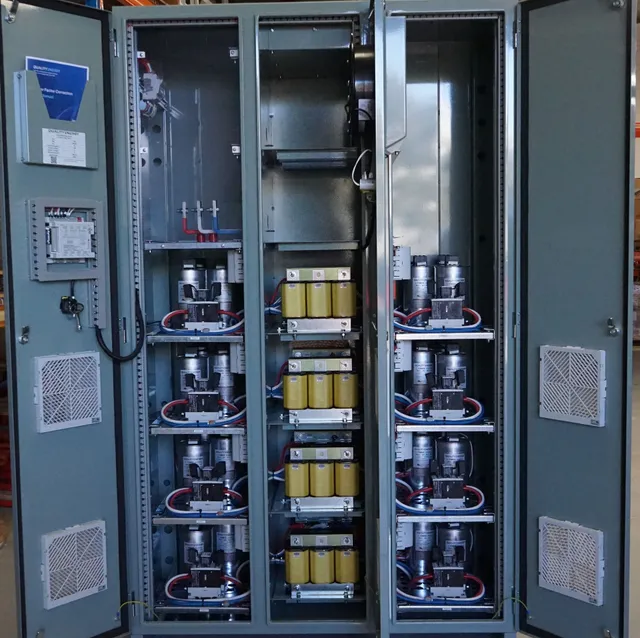
Transparent Infra And Energys commonly combine a power factor relay, capacitor stages, capacitor-duty switching devices, protective components and metering as required. Ratings and component selection should be confirmed against measured demand and applicable project specifications.
Where nonlinear loads such as variable-frequency drives, UPS systems or electronic equipment are present, harmonic levels should be assessed before adding capacitors. Detuned reactors or other power-quality measures may be appropriate when the measurements indicate a resonance risk.
A well-planned power factor correction solution in Greater Noida should be matched to the site’s real operating conditions, not selected on connected load alone. Load measurements help establish the required kVAr capacity, stage sizes and switching approach.
Installation planning includes reviewing the single-line diagram, confirming panel location, checking cable and busbar requirements, and coordinating safe isolation. The final arrangement should provide clear identification, suitable protection and access for inspection.
Our Power Factor Correction Workflow
- Options for industrial plants, commercial buildings and institutional facilities.
- Assessment of motors, pumps, compressors, HVAC and other inductive loads.
- Review of existing Transparent Infra And Energy, capacitor banks and switching components.
- Consideration of harmonics where nonlinear loads are present.
- Project planning that accounts for panel space, cable routes and safe isolation.
- Performance review under representative operating loads after installation.
- Follow-up support to reassess settings when site loads change.
- Improved reactive power management based on measured site conditions.
- Potential reduction in low power factor penalties where applicable under the utility tariff.
Power Factor Correction Solutions for Greater Noida Businesses
For businesses seeking a Power Factor Correction System in Greater Noida, after installation, commissioning checks can include verifying connections, controller settings, capacitor-stage operation, protective devices and measured power factor under representative load. The results should be recorded for future maintenance and troubleshooting.
Routine inspection helps identify loose connections, excessive temperature, capacitor deterioration, switching issues or changes in load conditions. A preventive maintenance plan can support dependable operation and help identify when the system needs adjustment.
Key Advantages of Professional Power Factor Correction
How Our Power Factor Correction System Works
Industrial sites often operate multiple motors, pumps, compressors and process machines. Reviewing which loads run together and when they start or stop helps determine the appropriate compensation strategy and switching sequence.
Commercial buildings may have a mix of lifts, air-conditioning, pumps, lighting and other electrical equipment. A power factor review can establish whether a capacitor bank or a different corrective measure is suitable for the building’s load profile.
Transparent Infra And Energy Solutions can help customers understand available power factor and power-quality service options, including assessment, Transparent Infra And Energy support, repair coordination and maintenance planning according to site requirements.
A practical project begins with discussion of the site, recent electricity bills, connected load and any existing power factor readings. Where needed, measurements from a power-quality analyser can help confirm the correction requirement before equipment is specified.
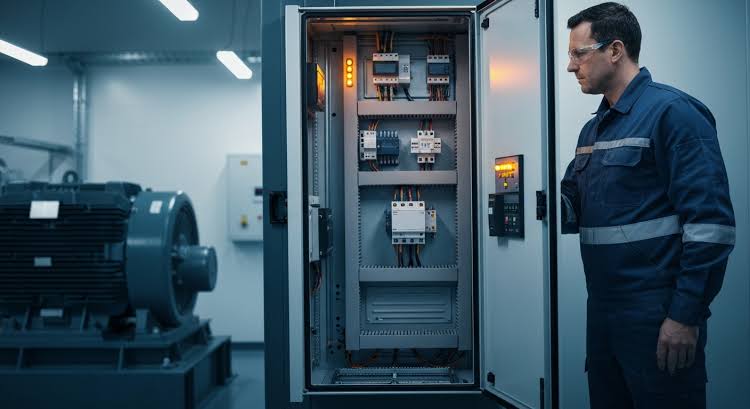
Panel construction should account for current rating, fault level, enclosure, cooling, clearances and safe access. Capacitor-duty contactors, fuses or breakers and other protective devices must be selected to suit the engineered design.
Power factor correction is not a substitute for correcting wiring faults, unbalanced loads or harmonic problems. If measurements identify these issues, they should be assessed alongside the reactive power requirement to avoid solving one issue while overlooking another.
Facilities planning upgrades can use the same assessment to consider future equipment additions and production changes. Allowing for realistic expansion can make the final configuration easier to maintain and adapt over time.
Power Factor Correction for Commercial and Industrial Facilities
For reliable results, system performance should be reviewed under normal operating conditions after commissioning. Power factor readings, switching behaviour, temperature and alarms provide useful information for ongoing maintenance.
For businesses seeking a Power Factor Correction System in Greater Noida, when comparing solutions, consider engineering assessment, correct sizing, component suitability, installation quality, commissioning records and service support—not only the initial panel price. These factors influence dependable long-term performance.
A power factor correction solution in Greater Noida may be suitable for manufacturing units, commercial complexes, hotels, hospitals, warehouses, offices and institutional facilities, subject to their measured electrical characteristics and site conditions.
An Transparent Infra And Energy automatically switches capacitor banks to supply reactive power as demand changes. A fixed capacitor bank may be suitable for a stable load, while variable loads generally require an appropriately controlled arrangement.
Power-quality readings can reveal whether low power factor is the main concern or whether harmonics, voltage variation, load imbalance or other issues also need attention. An assessment helps prioritise the right corrective action.
Bulk power factor correction Supply for Corporate & Industrial Projects
Local project coordination can help arrange site surveys, installation planning and follow-up visits across Greater Noida and nearby NCR areas. Timelines and the scope of work should be confirmed after the site requirements and existing installation are reviewed.
The goal is a correctly engineered electrical solution that supports stable operation, makes effective use of system capacity and reduces avoidable reactive-power demand where practical. Performance and savings vary with the individual site and utility tariff.
A power factor correction solution in Greater Noida helps commercial and industrial sites manage reactive power, improve electrical efficiency and make better use of available distribution capacity. The right configuration depends on measured load behaviour, operating hours and the target power factor.
Our team can coordinate power-factor assessment, Transparent Infra And Energy planning and installation support around the operating needs of your facility. Measurements and site conditions should guide the final recommendation.
Transparent Infra And Energy Configured for Your Facility
Motors, chillers, pumps, compressors and transformers can draw reactive power while operating. Properly sized capacitor stages compensate for this demand and may reduce unnecessary current through the distribution network.
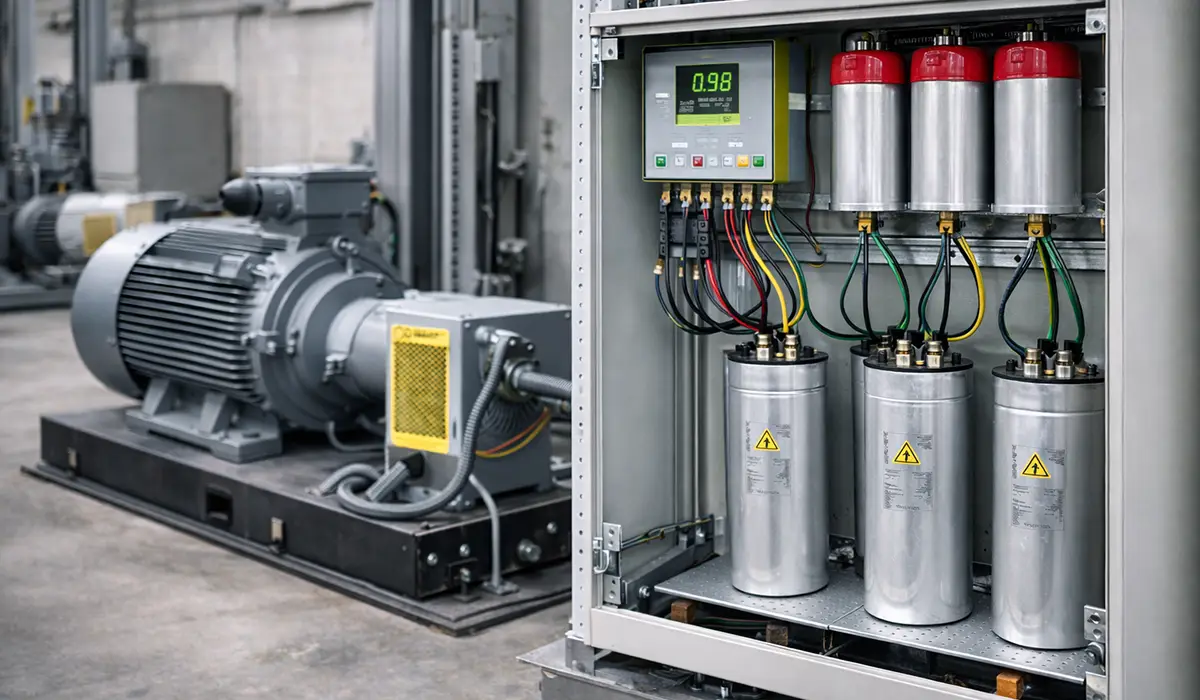
An APFC relay tracks the power factor and switches capacitor stages in or out as the electrical load changes. Correct settings help the panel respond to shifts in production, HVAC operation and other site demand.
A sound specification starts with measured demand, the existing electrical arrangement and the available panel space. These checks help keep the proposed capacity aligned with actual operating needs.
If the electricity tariff applies a low-power-factor charge, correction may help manage that cost and improve the use of distribution capacity. The result should be estimated from actual bills and readings.
For Greater Noida facilities, the installation plan should consider electrical-room access, ventilation, working clearances, operating hours and future load additions. These details support a maintainable and safe panel arrangement.

Greater Noida Project Coordination
A typical APFC assembly may include a controller relay, capacitor stages, capacitor-duty contactors, protective breakers or fuses and the required metering. Ratings and components should be selected for the site’s load, switching duty and fault level.
Drives, UPS systems and electronic equipment can create harmonic currents, so the electrical environment should be checked before adding capacitors. Detuned equipment may be appropriate where measurements support it.
A well-planned Power Factor Correction System in Greater Noida should be matched to the site’s real operating conditions, not selected on connected load alone. Load measurements help establish the required kVAr capacity, stage sizes and switching approach.
Confirm the panel location, cable routes, busbar ratings and safe isolation plan before work begins. Labelling and service clearances should also be included in the final installation.
After installation, commissioning checks can include verifying connections, controller settings, capacitor-stage operation, protective devices and measured power factor under representative load. The results should be recorded for future maintenance and troubleshooting.
Our Power Factor Assessment, Design and Installation Process
Maintenance checks can include terminal tightness, panel temperature, capacitor condition, ventilation, alarms and controller settings. Inspection frequency should suit the operating environment.
Reviewing the load profile over representative operating periods helps identify when reactive demand rises and which equipment contributes most to it.
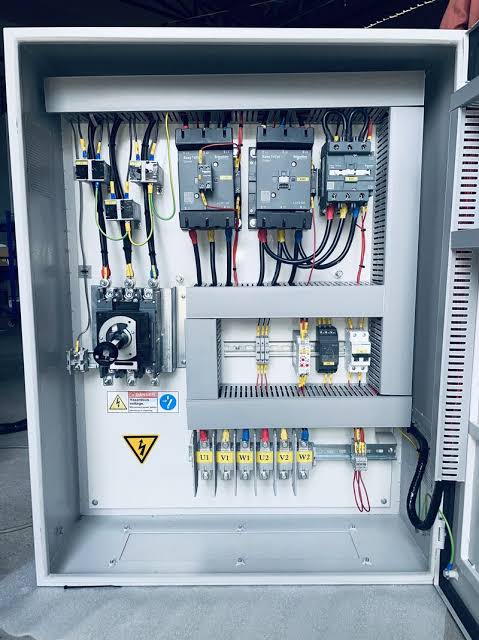
Reliable Panel Design for Daily Operation
Choosing suitable step sizes helps the controller follow demand without frequent unnecessary switching. The final settings should be checked during commissioning.
For variable demand, the controller can add or remove capacitor stages in response to measured conditions. The switching technology should match the speed and pattern of load changes.
Shift patterns and machine start-up sequences can change the site’s reactive-power profile. Reviewing these patterns helps determine practical stage sizes and control settings.
The mix of HVAC, lifts and pumps can vary by time of day and season. A measured profile helps establish whether correction is suitable and how it should be controlled.
Support can be scoped around assessment, Transparent Infra And Energy planning, installation coordination, troubleshooting and preventive checks, depending on the needs of the facility.
Bulk electrical power factor equipment Manufacturing for Large Corporate Projects
Recent bills, connected-load details and existing power-factor readings provide a useful starting point. If those records are incomplete, on-site measurements can clarify the requirement.
Thermal management, enclosure protection and safe working clearances should be confirmed alongside current and fault ratings. Capacitor switching devices must be suitable for their duty.
If the site has phase imbalance, poor connections or significant harmonics, those problems should be addressed in parallel. Capacitor correction alone cannot remedy every power-quality issue.
Discuss planned machinery, additional HVAC or future production increases before finalising capacity. A scalable design can allow sensible expansion without excessive oversizing.
The handover should record representative power-factor readings, controller settings and observed stage operation. These records provide a useful baseline for later maintenance.
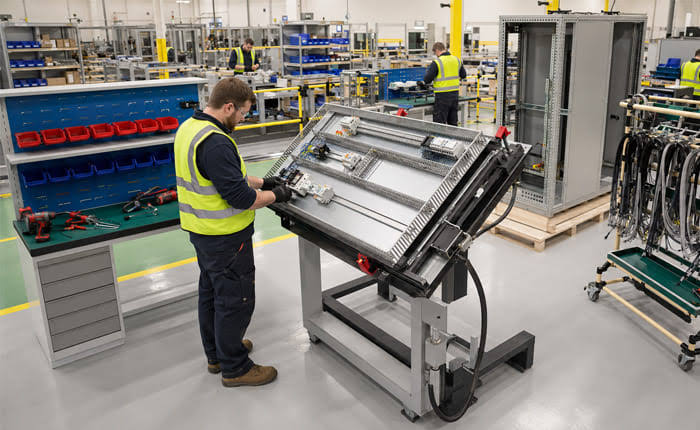
Customized electrical power factor equipment for Flexible Workspace Layouts
A useful proposal should explain the load-study basis, recommended kVAr capacity, switching arrangement, protective devices, commissioning checks and maintenance scope. Comparing these details gives a clearer picture than comparing the initial panel price alone.
The final suitability depends on measured load characteristics, operating schedule, available space and the condition of the existing electrical system.
Fixed capacitors can suit steady loads, while variable demand generally benefits from staged automatic control. The correct option depends on how the facility operates.
The assessment can prioritise the main issue first, whether it is reactive-power demand, harmonic distortion, voltage variation or load imbalance.
Site access, shutdown windows and the work scope should be agreed before scheduling installation or service visits across Greater Noida and nearby NCR areas.
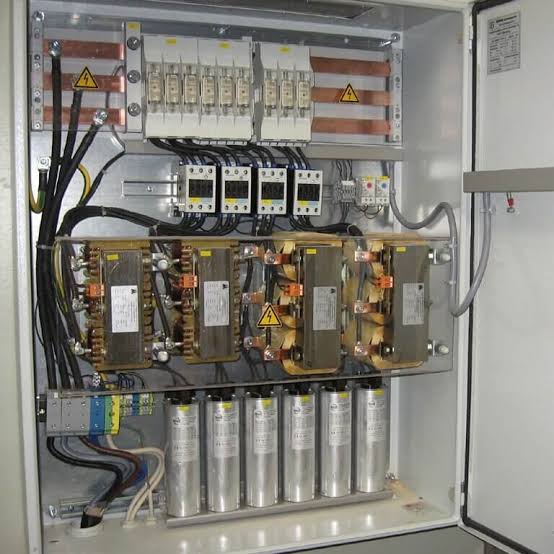
Future-Ready electrical power factor equipment for Modern Workspaces
The final configuration should be practical to operate and maintain, with performance checked against the site’s target and actual load conditions.
A power factor correction solution in Greater Noida helps commercial and industrial sites manage reactive power, improve electrical efficiency and make better use of available distribution capacity. The right configuration depends on measured load behaviour, operating hours and the target power factor. This approach helps create a solution that is practical to operate, inspect and maintain.
Transparent Infra And Energy Solutions supports power factor improvement through assessment, system planning, Transparent Infra And Energy solutions and service coordination. Recommendations should be based on actual site readings rather than a standard panel size chosen without load analysis. This approach helps create a solution that is practical to operate, inspect and maintain.
Inductive equipment such as motors, pumps, compressors, HVAC systems and transformers can increase reactive power demand. A correctly selected capacitor bank supplies compensation close to the load and can help reduce avoidable current in the electrical distribution system. This approach helps create a solution that is practical to operate, inspect and maintain.
An automatic power factor controller monitors the system and switches capacitor stages according to changing demand. This helps maintain a more stable power factor when production schedules, equipment use or building loads vary throughout the day. This approach helps create a solution that is practical to operate, inspect and maintain.
Customized Power Factor Correction System for Your Facility
Before specifying a solution, the electrical team should review load patterns, existing capacitor equipment, panel space, supply conditions and any power-quality concerns. This makes the design more appropriate for the site and helps avoid over- or under-compensation. This approach helps create a solution that is practical to operate, inspect and maintain.
Power factor correction can reduce utility penalties where tariff rules include low power factor charges, and may release capacity in transformers and cables. Actual savings depend on the electricity tariff, load profile, existing power factor and the final system design. This approach helps create a solution that is practical to operate, inspect and maintain.
For facilities in Greater Noida and nearby NCR areas, a site-specific plan helps account for operating schedules, available electrical rooms, ventilation, maintenance access and future expansion. These details are important for a safe and practical installation. This approach helps create a solution that is practical to operate, inspect and maintain.
Sector 10, Greater Noida
A typical APFC assembly may include a controller relay, capacitor stages, capacitor-duty contactors, protective breakers or fuses and the required metering. Ratings and components should be selected for the site’s load, switching duty and fault level.
Where nonlinear loads such as variable-frequency drives, UPS systems or electronic equipment are present, harmonic levels should be assessed before adding capacitors. Detuned reactors or other power-quality measures may be appropriate when the measurements indicate a resonance risk. This approach helps create a solution that is practical to operate, inspect and maintain.
Industrial Area, Greater Noida
A well-planned Power Factor Correction System in Greater Noida should be matched to the site’s real operating conditions, not selected on connected load alone. Load measurements help establish the required kVAr capacity, stage sizes and switching approach. This approach helps create a solution that is practical to operate, inspect and maintain.
Installation planning includes reviewing the single-line diagram, confirming panel location, checking cable and busbar requirements, and coordinating safe isolation. The final arrangement should provide clear identification, suitable protection and access for inspection. This approach helps create a solution that is practical to operate, inspect and maintain.
Corporate Campus – Greater Noida
After installation, commissioning checks can include verifying connections, controller settings, capacitor-stage operation, protective devices and measured power factor under representative load. The results should be recorded for future maintenance and troubleshooting. This approach helps create a solution that is practical to operate, inspect and maintain.
Routine inspection helps identify loose connections, excessive temperature, capacitor deterioration, switching issues or changes in load conditions. A preventive maintenance plan can support dependable operation and help identify when the system needs adjustment. This approach helps create a solution that is practical to operate, inspect and maintain.
Sector 5, Greater Noida
For factories and commercial buildings, power factor improvement works best when it is based on actual operating data. Reviewing demand patterns and power-quality readings helps identify the right corrective action for the installation. This approach helps create a solution that is practical to operate, inspect and maintain.
Capacitor bank sizing and step configuration should be engineered for the expected range of reactive power. Oversized or poorly controlled compensation can cause leading power factor or unnecessary switching, so measured data and suitable controller settings matter. This approach helps create a solution that is practical to operate, inspect and maintain.
Sector 8, Greater Noida
An automatic system is useful where electrical loads change during the day because it can add or remove capacitor stages as required. For rapidly changing loads, a fast-switching arrangement may be considered after reviewing the application and technical requirements. This approach helps create a solution that is practical to operate, inspect and maintain.
Industrial sites often operate multiple motors, pumps, compressors and process machines. Reviewing which loads run together and when they start or stop helps determine the appropriate compensation strategy and switching sequence. This approach helps create a solution that is practical to operate, inspect and maintain.
Corporate Office – Greater Noida
Commercial buildings may have a mix of lifts, air-conditioning, pumps, lighting and other electrical equipment. A power factor review can establish whether a capacitor bank or a different corrective measure is suitable for the building’s load profile. This approach helps create a solution that is practical to operate, inspect and maintain.
Transparent Infra And Energy Solutions can help customers understand available power factor and power-quality service options, including assessment, Transparent Infra And Energy support, repair coordination and maintenance planning according to site requirements. This approach helps create a solution that is practical to operate, inspect and maintain.
Industrial Sector – Greater Noida
A practical project begins with discussion of the site, recent electricity bills, connected load and any existing power factor readings. Where needed, measurements from a power-quality analyser can help confirm the correction requirement before equipment is specified. This approach helps create a solution that is practical to operate, inspect and maintain.
Panel construction should account for current rating, fault level, enclosure, cooling, clearances and safe access. Capacitor-duty contactors, fuses or breakers and other protective devices must be selected to suit the engineered design. This approach helps create a solution that is practical to operate, inspect and maintain.
Startup Hub, Greater Noida
Power factor correction is not a substitute for correcting wiring faults, unbalanced loads or harmonic problems. If measurements identify these issues, they should be assessed alongside the reactive power requirement to avoid solving one issue while overlooking another. This approach helps create a solution that is practical to operate, inspect and maintain.
Facilities planning upgrades can use the same assessment to consider future equipment additions and production changes. Allowing for realistic expansion can make the final configuration easier to maintain and adapt over time. This approach helps create a solution that is practical to operate, inspect and maintain.
Key Benefits of Power Factor Correction
For reliable results, system performance should be reviewed under normal operating conditions after commissioning. Power factor readings, switching behaviour, temperature and alarms provide useful information for ongoing maintenance. This approach helps create a solution that is practical to operate, inspect and maintain.
A useful proposal should explain the load-study basis, recommended kVAr capacity, switching arrangement, protective devices, commissioning checks and maintenance scope. Comparing these details gives a clearer picture than comparing the initial panel price alone.
A power factor correction solution in Greater Noida may be suitable for manufacturing units, commercial complexes, hotels, hospitals, warehouses, offices and institutional facilities, subject to their measured electrical characteristics and site conditions. This approach helps create a solution that is practical to operate, inspect and maintain.
An Transparent Infra And Energy automatically switches capacitor banks to supply reactive power as demand changes. A fixed capacitor bank may be suitable for a stable load, while variable loads generally require an appropriately controlled arrangement. This approach helps create a solution that is practical to operate, inspect and maintain.
Power-quality readings can reveal whether low power factor is the main concern or whether harmonics, voltage variation, load imbalance or other issues also need attention. An assessment helps prioritise the right corrective action. This approach helps create a solution that is practical to operate, inspect and maintain.
Local project coordination can help arrange site surveys, installation planning and follow-up visits across Greater Noida and nearby NCR areas. Timelines and the scope of work should be confirmed after the site requirements and existing installation are reviewed. This approach helps create a solution that is practical to operate, inspect and maintain.
The goal is a correctly engineered electrical solution that supports stable operation, makes effective use of system capacity and reduces avoidable reactive-power demand where practical. Performance and savings vary with the individual site and utility tariff. This approach helps create a solution that is practical to operate, inspect and maintain.
A power factor correction solution in Greater Noida helps commercial and industrial sites manage reactive power, improve electrical efficiency and make better use of available distribution capacity. The right configuration depends on measured load behaviour, operating hours and the target power factor. Actual performance will depend on the connected equipment, load variation and the quality of the installation.
Transparent Infra And Energy Solutions supports power factor improvement through assessment, system planning, Transparent Infra And Energy solutions and service coordination. Recommendations should be based on actual site readings rather than a standard panel size chosen without load analysis. Actual performance will depend on the connected equipment, load variation and the quality of the installation.
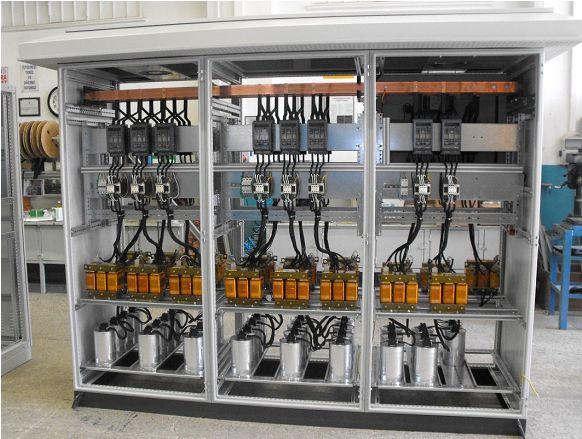
Growing Need for Power Factor Improvement in Greater Noida
Inductive equipment such as motors, pumps, compressors, HVAC systems and transformers can increase reactive power demand. A correctly selected capacitor bank supplies compensation close to the load and can help reduce avoidable current in the electrical distribution system. Actual performance will depend on the connected equipment, load variation and the quality of the installation.
An automatic power factor controller monitors the system and switches capacitor stages according to changing demand. This helps maintain a more stable power factor when production schedules, equipment use or building loads vary throughout the day. Actual performance will depend on the connected equipment, load variation and the quality of the installation.
Before specifying a solution, the electrical team should review load patterns, existing capacitor equipment, panel space, supply conditions and any power-quality concerns. This makes the design more appropriate for the site and helps avoid over- or under-compensation. Actual performance will depend on the connected equipment, load variation and the quality of the installation.
Power factor correction can reduce utility penalties where tariff rules include low power factor charges, and may release capacity in transformers and cables. Actual savings depend on the electricity tariff, load profile, existing power factor and the final system design. Actual performance will depend on the connected equipment, load variation and the quality of the installation.
For facilities in Greater Noida and nearby NCR areas, a site-specific plan helps account for operating schedules, available electrical rooms, ventilation, maintenance access and future expansion. These details are important for a safe and practical installation. Actual performance will depend on the connected equipment, load variation and the quality of the installation.
A typical APFC assembly may include a controller relay, capacitor stages, capacitor-duty contactors, protective breakers or fuses and the required metering. Ratings and components should be selected for the site’s load, switching duty and fault level.
Where nonlinear loads such as variable-frequency drives, UPS systems or electronic equipment are present, harmonic levels should be assessed before adding capacitors. Detuned reactors or other power-quality measures may be appropriate when the measurements indicate a resonance risk. Actual performance will depend on the connected equipment, load variation and the quality of the installation.
A well-planned Power Factor Correction System in Greater Noida should be matched to the site’s real operating conditions, not selected on connected load alone. Load measurements help establish the required kVAr capacity, stage sizes and switching approach. Actual performance will depend on the connected equipment, load variation and the quality of the installation.
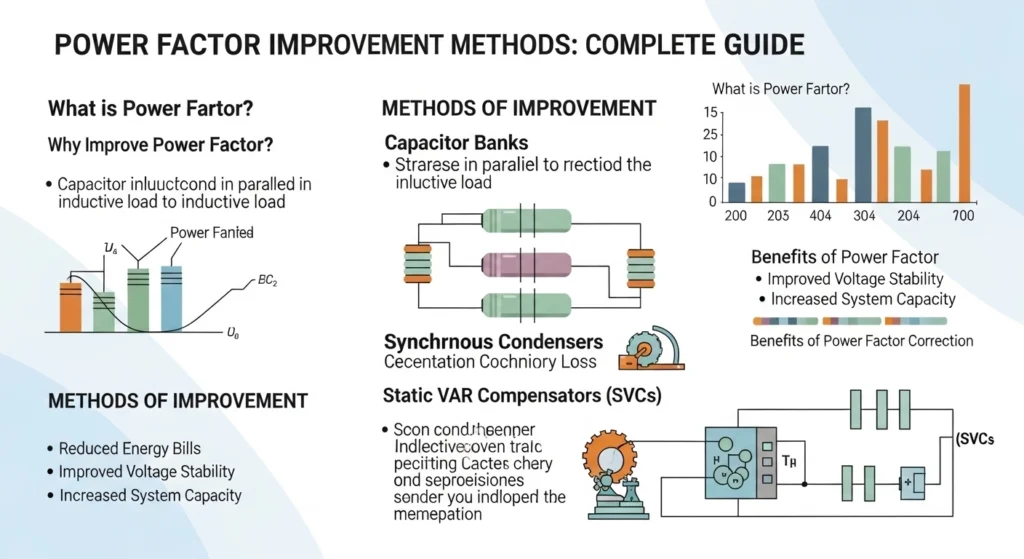
Complete Power Factor Correction and Transparent Infra And Energy Solutions
Installation planning includes reviewing the single-line diagram, confirming panel location, checking cable and busbar requirements, and coordinating safe isolation. The final arrangement should provide clear identification, suitable protection and access for inspection. Actual performance will depend on the connected equipment, load variation and the quality of the installation.
After installation, commissioning checks can include verifying connections, controller settings, capacitor-stage operation, protective devices and measured power factor under representative load. The results should be recorded for future maintenance and troubleshooting. Actual performance will depend on the connected equipment, load variation and the quality of the installation.
Power Quality Assessment and System Design
Routine inspection helps identify loose connections, excessive temperature, capacitor deterioration, switching issues or changes in load conditions. A preventive maintenance plan can support dependable operation and help identify when the system needs adjustment. Actual performance will depend on the connected equipment, load variation and the quality of the installation.
Planned Site Visits and Project Coordination
For factories and commercial buildings, power factor improvement works best when it is based on actual operating data. Reviewing demand patterns and power-quality readings helps identify the right corrective action for the installation. Actual performance will depend on the connected equipment, load variation and the quality of the installation.
Capacity and Configuration Based on Actual Loads
Capacitor bank sizing and step configuration should be engineered for the expected range of reactive power. Oversized or poorly controlled compensation can cause leading power factor or unnecessary switching, so measured data and suitable controller settings matter. Actual performance will depend on the connected equipment, load variation and the quality of the installation.
Components Selected for Reliable Operation
An automatic system is useful where electrical loads change during the day because it can add or remove capacitor stages as required. For rapidly changing loads, a fast-switching arrangement may be considered after reviewing the application and technical requirements. Actual performance will depend on the connected equipment, load variation and the quality of the installation.
Operational Efficiency and Reactive Power Management
Industrial sites often operate multiple motors, pumps, compressors and process machines. Reviewing which loads run together and when they start or stop helps determine the appropriate compensation strategy and switching sequence. Actual performance will depend on the connected equipment, load variation and the quality of the installation.
Solutions for Industrial and Commercial Facilities
Commercial buildings may have a mix of lifts, air-conditioning, pumps, lighting and other electrical equipment. A power factor review can establish whether a capacitor bank or a different corrective measure is suitable for the building’s load profile. Actual performance will depend on the connected equipment, load variation and the quality of the installation.
Electrical Inspection and Quality Verification
Transparent Infra And Energy Solutions can help customers understand available power factor and power-quality service options, including assessment, Transparent Infra And Energy support, repair coordination and maintenance planning according to site requirements. Actual performance will depend on the connected equipment, load variation and the quality of the installation.
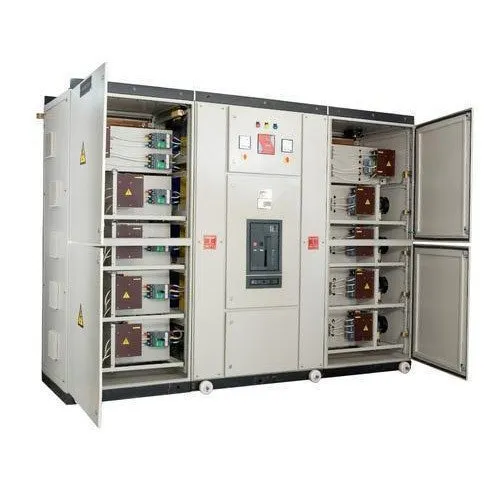
A practical project begins with discussion of the site, recent electricity bills, connected load and any existing power factor readings. Where needed, measurements from a power-quality analyser can help confirm the correction requirement before equipment is specified. Actual performance will depend on the connected equipment, load variation and the quality of the installation.
What Clients Value in Our Power Quality Services
Panel construction should account for current rating, fault level, enclosure, cooling, clearances and safe access. Capacitor-duty contactors, fuses or breakers and other protective devices must be selected to suit the engineered design. Actual performance will depend on the connected equipment, load variation and the quality of the installation.
Power factor correction is not a substitute for correcting wiring faults, unbalanced loads or harmonic problems. If measurements identify these issues, they should be assessed alongside the reactive power requirement to avoid solving one issue while overlooking another. Actual performance will depend on the connected equipment, load variation and the quality of the installation.
Facilities planning upgrades can use the same assessment to consider future equipment additions and production changes. Allowing for realistic expansion can make the final configuration easier to maintain and adapt over time. Actual performance will depend on the connected equipment, load variation and the quality of the installation.
Power Factor Correction System in Greater Noida for Modern Facilities
For reliable results, system performance should be reviewed under normal operating conditions after commissioning. Power factor readings, switching behaviour, temperature and alarms provide useful information for ongoing maintenance. Actual performance will depend on the connected equipment, load variation and the quality of the installation.
A useful proposal should explain the load-study basis, recommended kVAr capacity, switching arrangement, protective devices, commissioning checks and maintenance scope. Comparing these details gives a clearer picture than comparing the initial panel price alone.
A power factor correction solution in Greater Noida may be suitable for manufacturing units, commercial complexes, hotels, hospitals, warehouses, offices and institutional facilities, subject to their measured electrical characteristics and site conditions. Actual performance will depend on the connected equipment, load variation and the quality of the installation.
Panel Configuration for Your Site
An Transparent Infra And Energy automatically switches capacitor banks to supply reactive power as demand changes. A fixed capacitor bank may be suitable for a stable load, while variable loads generally require an appropriately controlled arrangement. Actual performance will depend on the connected equipment, load variation and the quality of the installation.
Power-quality readings can reveal whether low power factor is the main concern or whether harmonics, voltage variation, load imbalance or other issues also need attention. An assessment helps prioritise the right corrective action. Actual performance will depend on the connected equipment, load variation and the quality of the installation.
Practical Budgeting and Project Planning
Local project coordination can help arrange site surveys, installation planning and follow-up visits across Greater Noida and nearby NCR areas. Timelines and the scope of work should be confirmed after the site requirements and existing installation are reviewed. Actual performance will depend on the connected equipment, load variation and the quality of the installation.
The goal is a correctly engineered electrical solution that supports stable operation, makes effective use of system capacity and reduces avoidable reactive-power demand where practical. Performance and savings vary with the individual site and utility tariff. Actual performance will depend on the connected equipment, load variation and the quality of the installation.
End-to-End Power Factor Support
A power factor correction solution in Greater Noida helps commercial and industrial sites manage reactive power, improve electrical efficiency and make better use of available distribution capacity. The right configuration depends on measured load behaviour, operating hours and the target power factor. Where conditions change, a follow-up assessment can help determine whether settings or capacity need adjustment.
Transparent Infra And Energy Solutions supports power factor improvement through assessment, system planning, Transparent Infra And Energy solutions and service coordination. Recommendations should be based on actual site readings rather than a standard panel size chosen without load analysis. Where conditions change, a follow-up assessment can help determine whether settings or capacity need adjustment.
Power Factor Correction for Manufacturing Units
Inductive equipment such as motors, pumps, compressors, HVAC systems and transformers can increase reactive power demand. A correctly selected capacitor bank supplies compensation close to the load and can help reduce avoidable current in the electrical distribution system. Where conditions change, a follow-up assessment can help determine whether settings or capacity need adjustment.
An automatic power factor controller monitors the system and switches capacitor stages according to changing demand. This helps maintain a more stable power factor when production schedules, equipment use or building loads vary throughout the day. Where conditions change, a follow-up assessment can help determine whether settings or capacity need adjustment.
Power Factor Correction for Offices and Commercial Buildings
Before specifying a solution, the electrical team should review load patterns, existing capacitor equipment, panel space, supply conditions and any power-quality concerns. This makes the design more appropriate for the site and helps avoid over- or under-compensation. Where conditions change, a follow-up assessment can help determine whether settings or capacity need adjustment.
Power factor correction can reduce utility penalties where tariff rules include low power factor charges, and may release capacity in transformers and cables. Actual savings depend on the electricity tariff, load profile, existing power factor and the final system design. Where conditions change, a follow-up assessment can help determine whether settings or capacity need adjustment.
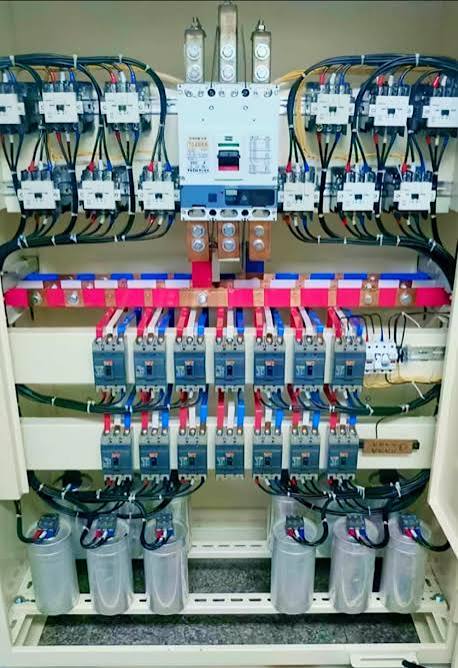
For facilities in Greater Noida and nearby NCR areas, a site-specific plan helps account for operating schedules, available electrical rooms, ventilation, maintenance access and future expansion. These details are important for a safe and practical installation. Where conditions change, a follow-up assessment can help determine whether settings or capacity need adjustment.
Power Factor Correction Solutions for Industrial and Commercial Sites
Power Factor Correction for Hotels, Hospitals and Institutions
A typical APFC assembly may include a controller relay, capacitor stages, capacitor-duty contactors, protective breakers or fuses and the required metering. Ratings and components should be selected for the site’s load, switching duty and fault level.
Where nonlinear loads such as variable-frequency drives, UPS systems or electronic equipment are present, harmonic levels should be assessed before adding capacitors. Detuned reactors or other power-quality measures may be appropriate when the measurements indicate a resonance risk. Where conditions change, a follow-up assessment can help determine whether settings or capacity need adjustment.
Power Factor Correction for Warehouses and Large Facilities
A well-planned Power Factor Correction System in Greater Noida should be matched to the site’s real operating conditions, not selected on connected load alone. Load measurements help establish the required kVAr capacity, stage sizes and switching approach. Where conditions change, a follow-up assessment can help determine whether settings or capacity need adjustment.
Installation planning includes reviewing the single-line diagram, confirming panel location, checking cable and busbar requirements, and coordinating safe isolation. The final arrangement should provide clear identification, suitable protection and access for inspection. Where conditions change, a follow-up assessment can help determine whether settings or capacity need adjustment.
Transparent Infra And Energy and Capacitor Bank Assemblies
After installation, commissioning checks can include verifying connections, controller settings, capacitor-stage operation, protective devices and measured power factor under representative load. The results should be recorded for future maintenance and troubleshooting. Where conditions change, a follow-up assessment can help determine whether settings or capacity need adjustment.
Routine inspection helps identify loose connections, excessive temperature, capacitor deterioration, switching issues or changes in load conditions. A preventive maintenance plan can support dependable operation and help identify when the system needs adjustment. Where conditions change, a follow-up assessment can help determine whether settings or capacity need adjustment.
Automatic and Fast-Switching Correction Options
For factories and commercial buildings, power factor improvement works best when it is based on actual operating data. Reviewing demand patterns and power-quality readings helps identify the right corrective action for the installation. Where conditions change, a follow-up assessment can help determine whether settings or capacity need adjustment.
Capacitor bank sizing and step configuration should be engineered for the expected range of reactive power. Oversized or poorly controlled compensation can cause leading power factor or unnecessary switching, so measured data and suitable controller settings matter. Where conditions change, a follow-up assessment can help determine whether settings or capacity need adjustment.
Harmonic-Aware System Planning
An automatic system is useful where electrical loads change during the day because it can add or remove capacitor stages as required. For rapidly changing loads, a fast-switching arrangement may be considered after reviewing the application and technical requirements. Where conditions change, a follow-up assessment can help determine whether settings or capacity need adjustment.
Industrial sites often operate multiple motors, pumps, compressors and process machines. Reviewing which loads run together and when they start or stop helps determine the appropriate compensation strategy and switching sequence. Where conditions change, a follow-up assessment can help determine whether settings or capacity need adjustment.
Protection, Ventilation and Panel Accessibility
Commercial buildings may have a mix of lifts, air-conditioning, pumps, lighting and other electrical equipment. A power factor review can establish whether a capacitor bank or a different corrective measure is suitable for the building’s load profile. Where conditions change, a follow-up assessment can help determine whether settings or capacity need adjustment.
Transparent Infra And Energy Solutions can help customers understand available power factor and power-quality service options, including assessment, Transparent Infra And Energy support, repair coordination and maintenance planning according to site requirements. Where conditions change, a follow-up assessment can help determine whether settings or capacity need adjustment.
Routine Inspection and Preventive Maintenance
A practical project begins with discussion of the site, recent electricity bills, connected load and any existing power factor readings. Where needed, measurements from a power-quality analyser can help confirm the correction requirement before equipment is specified. Where conditions change, a follow-up assessment can help determine whether settings or capacity need adjustment.
Panel construction should account for current rating, fault level, enclosure, cooling, clearances and safe access. Capacitor-duty contactors, fuses or breakers and other protective devices must be selected to suit the engineered design. Where conditions change, a follow-up assessment can help determine whether settings or capacity need adjustment.
Reliable Support After Installation
Power factor correction is not a substitute for correcting wiring faults, unbalanced loads or harmonic problems. If measurements identify these issues, they should be assessed alongside the reactive power requirement to avoid solving one issue while overlooking another. Where conditions change, a follow-up assessment can help determine whether settings or capacity need adjustment.
Facilities planning upgrades can use the same assessment to consider future equipment additions and production changes. Allowing for realistic expansion can make the final configuration easier to maintain and adapt over time. Where conditions change, a follow-up assessment can help determine whether settings or capacity need adjustment.
For reliable results, system performance should be reviewed under normal operating conditions after commissioning. Power factor readings, switching behaviour, temperature and alarms provide useful information for ongoing maintenance. Where conditions change, a follow-up assessment can help determine whether settings or capacity need adjustment.
Why Work with a Power Factor Solutions Specialist?
A useful proposal should explain the load-study basis, recommended kVAr capacity, switching arrangement, protective devices, commissioning checks and maintenance scope. Comparing these details gives a clearer picture than comparing the initial panel price alone.
A power factor correction solution in Greater Noida may be suitable for manufacturing units, commercial complexes, hotels, hospitals, warehouses, offices and institutional facilities, subject to their measured electrical characteristics and site conditions. Where conditions change, a follow-up assessment can help determine whether settings or capacity need adjustment.
An Transparent Infra And Energy automatically switches capacitor banks to supply reactive power as demand changes. A fixed capacitor bank may be suitable for a stable load, while variable loads generally require an appropriately controlled arrangement. Where conditions change, a follow-up assessment can help determine whether settings or capacity need adjustment.
Power-quality readings can reveal whether low power factor is the main concern or whether harmonics, voltage variation, load imbalance or other issues also need attention. An assessment helps prioritise the right corrective action. Where conditions change, a follow-up assessment can help determine whether settings or capacity need adjustment.
Local project coordination can help arrange site surveys, installation planning and follow-up visits across Greater Noida and nearby NCR areas. Timelines and the scope of work should be confirmed after the site requirements and existing installation are reviewed. Where conditions change, a follow-up assessment can help determine whether settings or capacity need adjustment.
Engineering, Component Selection and Quality Checks
The goal is a correctly engineered electrical solution that supports stable operation, makes effective use of system capacity and reduces avoidable reactive-power demand where practical. Performance and savings vary with the individual site and utility tariff. Where conditions change, a follow-up assessment can help determine whether settings or capacity need adjustment.
A power factor correction solution in Greater Noida helps commercial and industrial sites manage reactive power, improve electrical efficiency and make better use of available distribution capacity. The right configuration depends on measured load behaviour, operating hours and the target power factor. Each recommendation should be verified against the facility’s measured operating conditions and applicable electrical requirements.
Transparent Infra And Energy Solutions supports power factor improvement through assessment, system planning, Transparent Infra And Energy solutions and service coordination. Recommendations should be based on actual site readings rather than a standard panel size chosen without load analysis. Each recommendation should be verified against the facility’s measured operating conditions and applicable electrical requirements.
Inductive equipment such as motors, pumps, compressors, HVAC systems and transformers can increase reactive power demand. A correctly selected capacitor bank supplies compensation close to the load and can help reduce avoidable current in the electrical distribution system. Each recommendation should be verified against the facility’s measured operating conditions and applicable electrical requirements.
An automatic power factor controller monitors the system and switches capacitor stages according to changing demand. This helps maintain a more stable power factor when production schedules, equipment use or building loads vary throughout the day. Each recommendation should be verified against the facility’s measured operating conditions and applicable electrical requirements.
Before specifying a solution, the electrical team should review load patterns, existing capacitor equipment, panel space, supply conditions and any power-quality concerns. This makes the design more appropriate for the site and helps avoid over- or under-compensation. Each recommendation should be verified against the facility’s measured operating conditions and applicable electrical requirements.
Local Coordination and Planned Project Execution
Power factor correction can reduce utility penalties where tariff rules include low power factor charges, and may release capacity in transformers and cables. Actual savings depend on the electricity tariff, load profile, existing power factor and the final system design. Each recommendation should be verified against the facility’s measured operating conditions and applicable electrical requirements.
For facilities in Greater Noida and nearby NCR areas, a site-specific plan helps account for operating schedules, available electrical rooms, ventilation, maintenance access and future expansion. These details are important for a safe and practical installation. Each recommendation should be verified against the facility’s measured operating conditions and applicable electrical requirements.
A typical APFC assembly may include a controller relay, capacitor stages, capacitor-duty contactors, protective breakers or fuses and the required metering. Ratings and components should be selected for the site’s load, switching duty and fault level.
Where nonlinear loads such as variable-frequency drives, UPS systems or electronic equipment are present, harmonic levels should be assessed before adding capacitors. Detuned reactors or other power-quality measures may be appropriate when the measurements indicate a resonance risk. Each recommendation should be verified against the facility’s measured operating conditions and applicable electrical requirements.
Systems Designed Around Your Electrical Load
A well-planned Power Factor Correction System in Greater Noida should be matched to the site’s real operating conditions, not selected on connected load alone. Load measurements help establish the required kVAr capacity, stage sizes and switching approach. Each recommendation should be verified against the facility’s measured operating conditions and applicable electrical requirements.
Installation planning includes reviewing the single-line diagram, confirming panel location, checking cable and busbar requirements, and coordinating safe isolation. The final arrangement should provide clear identification, suitable protection and access for inspection. Each recommendation should be verified against the facility’s measured operating conditions and applicable electrical requirements.
After installation, commissioning checks can include verifying connections, controller settings, capacitor-stage operation, protective devices and measured power factor under representative load. The results should be recorded for future maintenance and troubleshooting. Each recommendation should be verified against the facility’s measured operating conditions and applicable electrical requirements.
Routine inspection helps identify loose connections, excessive temperature, capacitor deterioration, switching issues or changes in load conditions. A preventive maintenance plan can support dependable operation and help identify when the system needs adjustment. Each recommendation should be verified against the facility’s measured operating conditions and applicable electrical requirements.
Reliable Operation for Daily Industrial Use
For factories and commercial buildings, power factor improvement works best when it is based on actual operating data. Reviewing demand patterns and power-quality readings helps identify the right corrective action for the installation. Each recommendation should be verified against the facility’s measured operating conditions and applicable electrical requirements.
Capacitor bank sizing and step configuration should be engineered for the expected range of reactive power. Oversized or poorly controlled compensation can cause leading power factor or unnecessary switching, so measured data and suitable controller settings matter. Each recommendation should be verified against the facility’s measured operating conditions and applicable electrical requirements.
An automatic system is useful where electrical loads change during the day because it can add or remove capacitor stages as required. For rapidly changing loads, a fast-switching arrangement may be considered after reviewing the application and technical requirements. Each recommendation should be verified against the facility’s measured operating conditions and applicable electrical requirements.
Industrial sites often operate multiple motors, pumps, compressors and process machines. Reviewing which loads run together and when they start or stop helps determine the appropriate compensation strategy and switching sequence. Each recommendation should be verified against the facility’s measured operating conditions and applicable electrical requirements.
Commercial buildings may have a mix of lifts, air-conditioning, pumps, lighting and other electrical equipment. A power factor review can establish whether a capacitor bank or a different corrective measure is suitable for the building’s load profile. Each recommendation should be verified against the facility’s measured operating conditions and applicable electrical requirements.
Practical Energy Management and Operating Cost Control
Transparent Infra And Energy Solutions can help customers understand available power factor and power-quality service options, including assessment, Transparent Infra And Energy support, repair coordination and maintenance planning according to site requirements. Each recommendation should be verified against the facility’s measured operating conditions and applicable electrical requirements.
A practical project begins with discussion of the site, recent electricity bills, connected load and any existing power factor readings. Where needed, measurements from a power-quality analyser can help confirm the correction requirement before equipment is specified. Each recommendation should be verified against the facility’s measured operating conditions and applicable electrical requirements.
Panel construction should account for current rating, fault level, enclosure, cooling, clearances and safe access. Capacitor-duty contactors, fuses or breakers and other protective devices must be selected to suit the engineered design. Each recommendation should be verified against the facility’s measured operating conditions and applicable electrical requirements.
Power factor correction is not a substitute for correcting wiring faults, unbalanced loads or harmonic problems. If measurements identify these issues, they should be assessed alongside the reactive power requirement to avoid solving one issue while overlooking another. Each recommendation should be verified against the facility’s measured operating conditions and applicable electrical requirements.
Facilities planning upgrades can use the same assessment to consider future equipment additions and production changes. Allowing for realistic expansion can make the final configuration easier to maintain and adapt over time. Each recommendation should be verified against the facility’s measured operating conditions and applicable electrical requirements.
For reliable results, system performance should be reviewed under normal operating conditions after commissioning. Power factor readings, switching behaviour, temperature and alarms provide useful information for ongoing maintenance. Each recommendation should be verified against the facility’s measured operating conditions and applicable electrical requirements.
Scalable Power Factor Solutions for Changing Loads
When comparing solutions, consider engineering assessment, correct sizing, component suitability, installation quality, commissioning records and service support—not only the initial panel price. These factors influence dependable long-term performance. Each recommendation should be verified against the facility’s measured operating conditions and applicable electrical requirements.
A power factor correction solution in Greater Noida may be suitable for manufacturing units, commercial complexes, hotels, hospitals, warehouses, offices and institutional facilities, subject to their measured electrical characteristics and site conditions. Each recommendation should be verified against the facility’s measured operating conditions and applicable electrical requirements.
An Transparent Infra And Energy automatically switches capacitor banks to supply reactive power as demand changes. A fixed capacitor bank may be suitable for a stable load, while variable loads generally require an appropriately controlled arrangement. Each recommendation should be verified against the facility’s measured operating conditions and applicable electrical requirements.
Power-quality readings can reveal whether low power factor is the main concern or whether harmonics, voltage variation, load imbalance or other issues also need attention. An assessment helps prioritise the right corrective action. Each recommendation should be verified against the facility’s measured operating conditions and applicable electrical requirements.
Local project coordination can help arrange site surveys, installation planning and follow-up visits across Greater Noida and nearby NCR areas. Timelines and the scope of work should be confirmed after the site requirements and existing installation are reviewed. Each recommendation should be verified against the facility’s measured operating conditions and applicable electrical requirements.
The goal is a correctly engineered electrical solution that supports stable operation, makes effective use of system capacity and reduces avoidable reactive-power demand where practical. Performance and savings vary with the individual site and utility tariff. Each recommendation should be verified against the facility’s measured operating conditions and applicable electrical requirements.
Responsible Design and Efficient Electrical Performance
The recommended arrangement should follow measured load behaviour, the required correction target and the electrical conditions at the site.
Transparent Infra And Energy Solutions focuses on practical power-quality improvements, from reviewing electrical readings to planning suitable capacitor-bank and APFC arrangements. The scope is confirmed after understanding the site requirements.
Facilities with motor-driven equipment often experience changing reactive-power demand throughout the day. A measured assessment helps determine whether capacitor banks can provide useful compensation without over-correction.
Automatic stage control is useful where loads vary between shifts or throughout the day. The controller uses electrical measurements to bring capacitor capacity online when it is needed and disconnect it when demand falls.
The design review should include demand variation, existing correction equipment, protection and the physical installation area before any panel rating is finalised.
Transparent Infra And Energy Solutions – Power Factor Services
The financial impact varies with tariff rules, site load and current performance, so expected savings should be calculated from the facility’s own operating data.
Every site has different space and operating constraints. Planning around maintenance access, heat dissipation, shutdown windows and possible expansion makes the installation more practical over time.
A typical APFC assembly may include a controller relay, capacitor stages, capacitor-duty contactors, protective breakers or fuses and the required metering. Ratings and components should be selected for the site’s load, switching duty and fault level.
A harmonic review is especially useful where nonlinear equipment forms a substantial part of the load. It helps determine whether ordinary capacitor stages are suitable or a detuned solution is needed.
Load measurements are a better basis for sizing than connected load alone. They help establish the kVAr requirement, suitable step sizes and the switching method for the site.
A coordinated installation plan covers electrical drawings, mounting space, supply connections and access for future inspection, helping make commissioning and maintenance more straightforward.
Record the controller configuration, test the protective devices and observe the capacitor steps under representative load before handover.