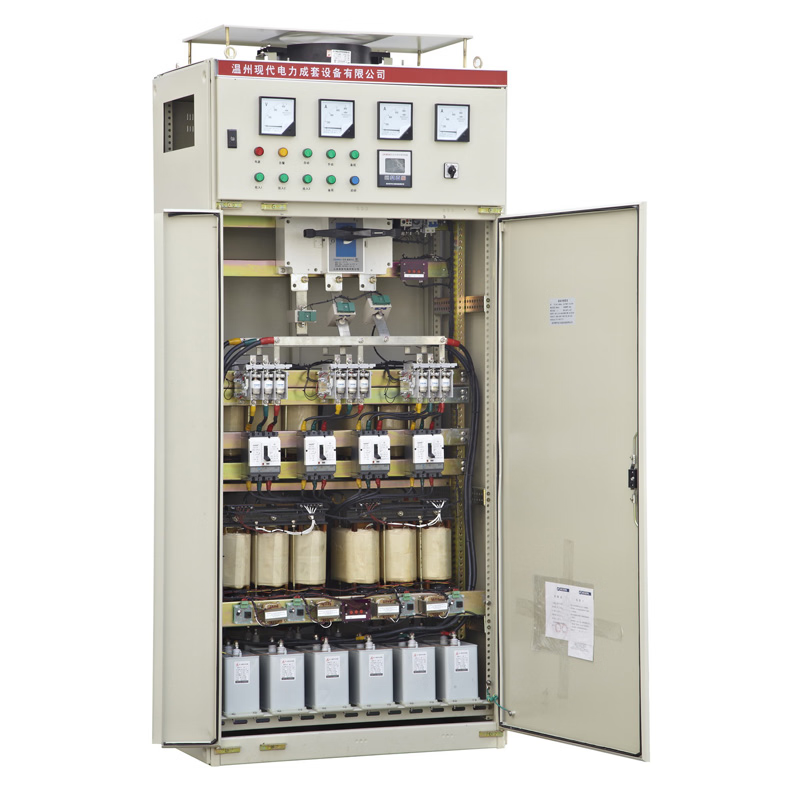
Power Factor Correction System in Sonipat
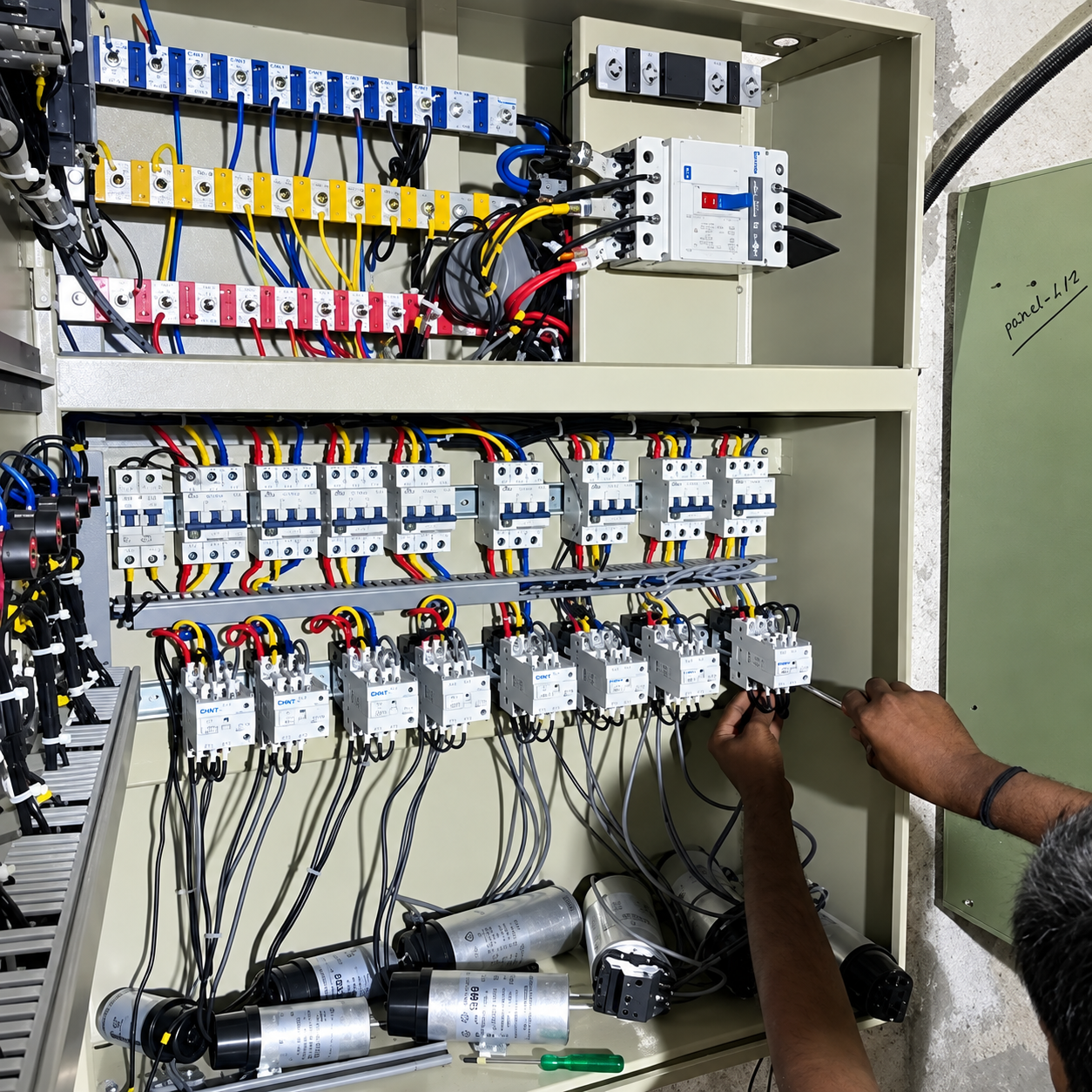
Start With the Electrical Rhythm of Each Production Line
At Kundli manufacturing blocks, welders and drives operating together can distort a simple nameplate estimate. The engineer should verify CT ratio, polarity and relay sensing before changing settings; the visit should finish with a commissioning checklist for the maintenance team. No percentage improvement should be promised until the baseline and post-adjustment readings are available. For this visit, log the condition observed at Kundli manufacturing blocks alongside the check to log kW, kVA and power factor at stable production points.
For engineering stores, the useful comparison is not a single meter snapshot but the difference between ordinary operation and a demanding production interval. Teams can separate measured values from projected energy outcomes, then retain a clear list of items needing corrective attention for later review. Inspection timing should be agreed with the site team so the work does not interrupt an unsafe operating condition. For this visit, log the condition observed at Rai industrial units alongside the check to log kW, kVA and power factor at stable production points.
Build a Feeder Map Before Specifying Capacitor Capacity
A site review in Sonipat should investigate a future production line planned for the same transformer before anyone commits to a capacitor-bank size. Start by checking whether sheet-metal fabrication bays follows the recorded operating schedule, and separate measured values from projected energy outcomes. The record should state which measurements were observed and which conclusions still need confirmation. For this visit, log the condition observed at Barhi production sheds alongside the check to log kW, kVA and power factor at stable production points.
Where tool rooms share electrical infrastructure, compressors cycling between pressure bands deserves a documented check. A suitable next step is to document the reason behind each proposed stage size; this gives the maintenance team a stage-selection note with supporting measurements. This approach also helps distinguish an equipment fault from a change in the production schedule. For this visit, log the condition observed at Murthal food-processing facilities alongside the check to log kW, kVA and power factor at stable production points.
Request a Consultation ↗Use Recorded Demand to Set APFC Response
The specification for Power Factor Correction System in Sonipat should come from measured site behaviour rather than a generic capacity assumption. During the visit, test the automatic sequence after the site returns to normal load, especially if the site shows incomer readings that differ from branch measurements. The final settings should be recorded so that later maintenance does not rely on memory. For this visit, log the condition observed at Ganaur engineering workshops alongside the check to log kW, kVA and power factor at stable production points. Contact the team to discuss the findings for Sonipat. Sonipat power factor solutions
- Map each high-demand machine to its working schedule for Kundli manufacturing blocks and record the finding
- Compare a normal shift with the busiest production window for Rai industrial units and record the finding
- Record controller settings so the next shift can verify them for Barhi production sheds and record the finding
- Repeat readings after a line restart and a product changeover for Murthal food-processing facilities and record the finding
- Coordinate the inspection slot with production and safety staff for Ganaur engineering workshops and record the finding
- Keep a dated baseline for later maintenance comparison for Kharkhoda supplier parks and record the finding
- Prepare a handover sheet with readings and pending observations for Bahalgarh logistics buildings and record the finding
Before changing an APFC setting at cold-storage warehouses, establish whether readings show unbalanced operating hours across departments. The technician can separate measured values from projected energy outcomes and leave a record that can be reused during future capacity planning with the site contact. Any change should be approved by the responsible electrical professional after checking protection coordination. For this visit, log the condition observed at Kharkhoda supplier parks alongside the check to log kW, kVA and power factor at stable production points.
Check Power Quality Around Welding and Drive Loads
A practical power-quality check for pump houses should connect the electrical data with the work actually taking place. If maintenance records missing earlier relay settings, repeat readings after a line restart and a product changeover; record the result as a commissioning checklist for the maintenance team. No percentage improvement should be promised until the baseline and post-adjustment readings are available. For this visit, log the condition observed at Bahalgarh logistics buildings alongside the check to log kW, kVA and power factor at stable production points.
At the planning stage, ask whether commercial refrigeration plants may add equipment or change its shift pattern. That information matters if the site is experiencing capacitor stages staying active after a line stops; coordinate the inspection slot with production and safety staff so that a record that can be reused during future capacity planning. Inspection timing should be agreed with the site team so the work does not interrupt an unsafe operating condition. For this visit, log the condition observed at Sonepat city commercial premises alongside the check to log kW, kVA and power factor at stable production points.
At automotive vendor floors, capacitor stages staying active after a line stops can distort a simple nameplate estimate. The engineer should verify CT ratio, polarity and relay sensing before changing settings; the visit should finish with a practical follow-up plan after adjustment. The record should state which measurements were observed and which conclusions still need confirmation. For this visit, log the condition observed at automotive vendor floors alongside the check to log kW, kVA and power factor at stable production points.
For food packing operations, the useful comparison is not a single meter snapshot but the difference between ordinary operation and a demanding production interval. Teams can record controller settings so the next shift can verify them, then retain a written basis for any recommendation for later review. This approach also helps distinguish an equipment fault from a change in the production schedule. For this visit, log the condition observed at precision component plants alongside the check to log kW, kVA and power factor at stable production points.
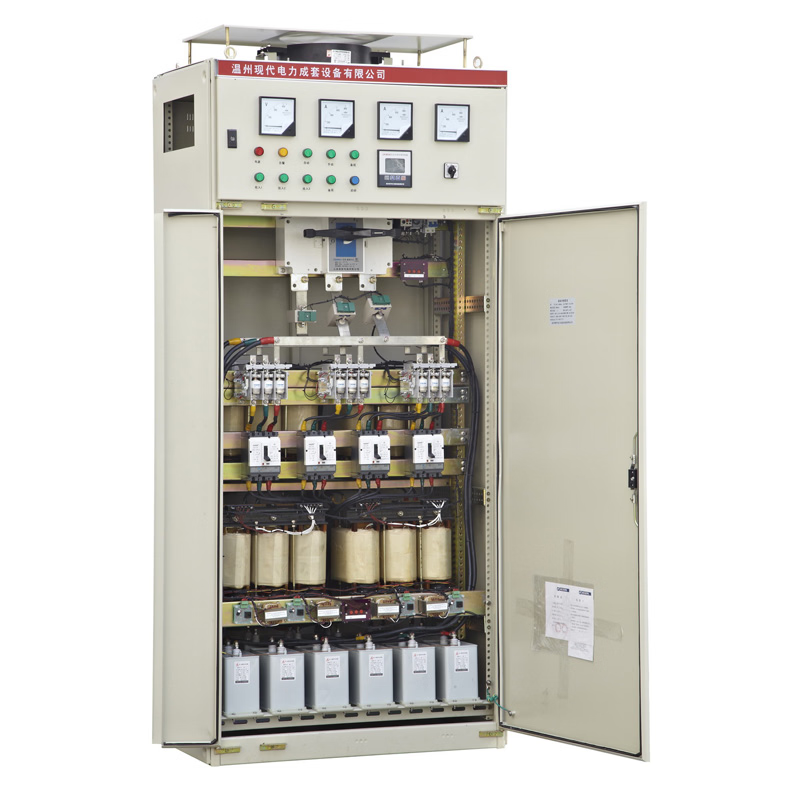
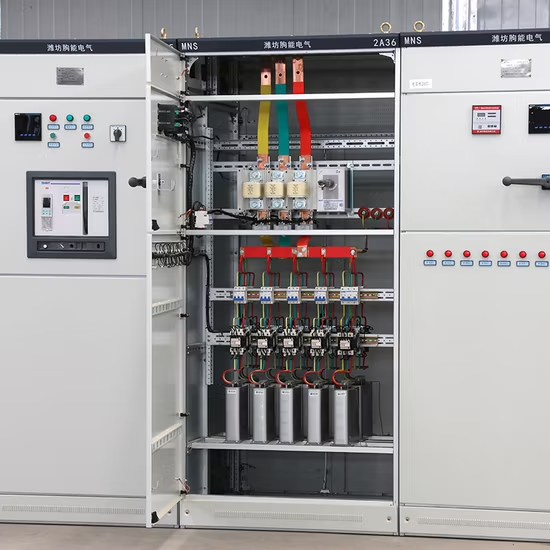
Separate Base Loads From Short Production Peaks
A site review in Sonipat should investigate a future production line planned for the same transformer before anyone commits to a capacitor-bank size. Start by checking whether machine-tool workshops follows the recorded operating schedule, and test the automatic sequence after the site returns to normal load. The final settings should be recorded so that later maintenance does not rely on memory. For this visit, log the condition observed at sheet-metal fabrication bays alongside the check to log kW, kVA and power factor at stable production points.
Where engineering stores share electrical infrastructure, a control relay reacting slowly to changing demand deserves a documented check. A suitable next step is to verify CT ratio, polarity and relay sensing before changing settings; this gives the maintenance team a stage-selection note with supporting measurements. Any change should be approved by the responsible electrical professional after checking protection coordination. For this visit, log the condition observed at plastic moulding units alongside the check to log kW, kVA and power factor at stable production points.
The specification for Power Factor Correction System in Sonipat should come from measured site behaviour rather than a generic capacity assumption. During the visit, prepare a handover sheet with readings and pending observations, especially if the site shows reactive load changing with product mix. No percentage improvement should be promised until the baseline and post-adjustment readings are available. For this visit, log the condition observed at cold-storage warehouses alongside the check to log kW, kVA and power factor at stable production points.
Before changing an APFC setting at cold-storage warehouses, establish whether readings show a panel with limited ventilation clearance. The technician can inspect capacitor health and switching contactors together and leave a commissioning checklist for the maintenance team with the site contact. Inspection timing should be agreed with the site team so the work does not interrupt an unsafe operating condition. For this visit, log the condition observed at packaging lines alongside the check to log kW, kVA and power factor at stable production points.
A practical power-quality check for production test areas should connect the electrical data with the work actually taking place. If unclear separation between essential and intermittent loads, mark feeder names and panel isolation points on the drawing; record the result as a record that can be reused during future capacity planning. The record should state which measurements were observed and which conclusions still need confirmation. For this visit, log the condition observed at machine-tool workshops alongside the check to log kW, kVA and power factor at stable production points.
Review Existing Panels Before Plant Expansion
- Verify CT ratio, polarity and relay sensing before changing settings for Sonepat city commercial premises and record the finding
- Check drive-related harmonics before deciding the capacitor arrangement for automotive vendor floors and record the finding
- Confirm panel temperature and airflow during full operation for precision component plants and record the finding
- Separate measured values from projected energy outcomes for sheet-metal fabrication bays and record the finding
- Document the reason behind each proposed stage size for plastic moulding units and record the finding
- Verify that protection settings suit the installed equipment for cold-storage warehouses and record the finding
- Log kW, kVA and power factor at stable production points for packaging lines and record the finding
- Inspect capacitor health and switching contactors together for machine-tool workshops and record the finding
- Mark feeder names and panel isolation points on the drawing for assembly stations and record the finding
Make Commissioning Results Useful to the Next Shift
At the planning stage, ask whether machine-tool workshops may add equipment or change its shift pattern. That information matters if the site is experiencing capacitor stages staying active after a line stops; verify that protection settings suit the installed equipment so that a practical follow-up plan after adjustment. This approach also helps distinguish an equipment fault from a change in the production schedule. For this visit, log the condition observed at assembly stations alongside the check to log kW, kVA and power factor at stable production points.
At industrial testing rooms, transformer demand rising during dispatch peaks can distort a simple nameplate estimate. The engineer should verify CT ratio, polarity and relay sensing before changing settings; the visit should finish with a before-and-after reading sheet. The final settings should be recorded so that later maintenance does not rely on memory. For this visit, log the condition observed at industrial testing rooms alongside the check to log kW, kVA and power factor at stable production points.
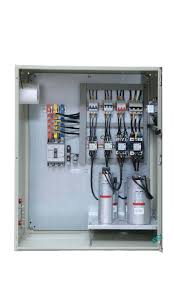
Power-Factor Checks for Engineering and Supplier Units
Prepare the Feeder Schedule Before Equipment Selection
Checking transformer loading that changes with batch size is not simply about adding equipment; it is about understanding the load that needs correction. At precision machining bays, teams should capture demand at representative production intervals to arrive at a sizing decision tied to observed load rather than nameplate totals. For the component production record, state the reason for each proposed adjustment in the service record.
A service visit can turn the observation of limited space around an existing panel into an actionable engineering record. At industrial sheds near logistics routes, teams should review harmonic measurements before finalising capacitor selection as part of working toward a service scope based on measured site conditions. For the tool room record, attach the result to the equipment schedule during handover.
At packaging equipment plants, inconsistent readings between the incomer and branch feeders can make a nameplate-only estimate misleading. A site review should keep the final settings sheet with the maintenance records, giving the team an installation plan that accounts for future machinery. For the cold-chain record, record whether the issue points to a load change or a component fault.
When planning power factor correction system in sonipat, document the load conditions that support the recommendation. For facilities shaped by precision manufacturing, engineering supply chains and multi-shift production, the assessment needs to account for simultaneous motor starts on adjacent lines. Engineers can record capacitor condition and enclosure temperature before recommending a documented route for investigating abnormal readings. For the packaging record, obtain approval from qualified electrical personnel before final selection.
A useful assessment at commercial campuses begins with the operating detail: transformer loading that changes with batch size. The next step is to confirm clear access for isolation and inspection; this helps establish better coordination between production and electrical staff. For the fabrication record, retain the finding with the relevant machine-group and shift log for traceability.
When a site experiences limited space around an existing panel, the correction panel should not be specified by guesswork. The site team can compare meter logs with the actual machine schedule, then record a repeatable baseline for later energy reviews. For the machining record, identify the feeder before recording any setting change.
The electrical picture at assembly units may change from one production period to another, particularly when the site is dealing with inconsistent readings between the incomer and branch feeders. To understand the difference, teams should map each major motor to its operating window and use the findings to support a practical handover for the electrical maintenance team. For the assembly record, keep the measured condition available for the next production review.
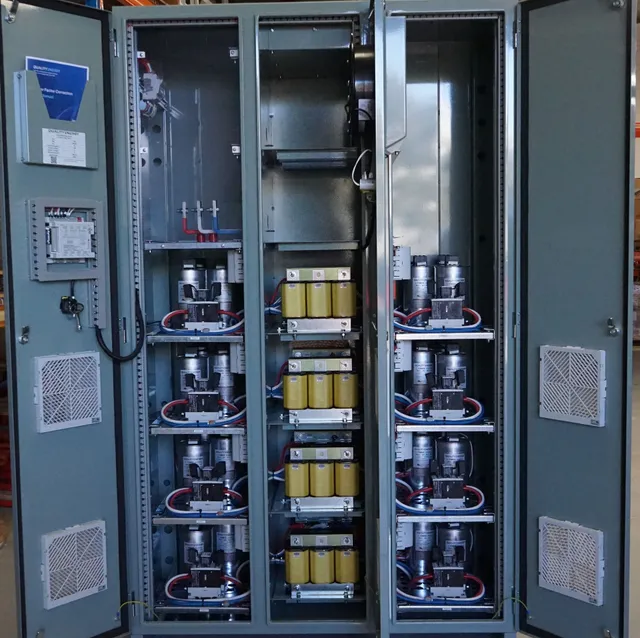
Power Factor Correction for Commercial and Industrial Facilities
The specification for Power Factor Correction System in Sonipat should come from measured site behaviour rather than a generic capacity assumption. During the visit, inspect capacitor health and switching contactors together, especially if the site shows harmonic distortion around variable-speed drives. The record should state which measurements were observed and which conclusions still need confirmation. For this visit, log the condition observed at Kundli manufacturing blocks alongside the check to map each high-demand machine to its working schedule.
Before changing an APFC setting at cold-storage warehouses, establish whether readings show motor loads that start in quick succession. The technician can test the automatic sequence after the site returns to normal load and leave a practical follow-up plan after adjustment with the site contact. This approach also helps distinguish an equipment fault from a change in the production schedule. For this visit, log the condition observed at Rai industrial units alongside the check to map each high-demand machine to its working schedule.
A practical power-quality check for machine repair workshops should connect the electrical data with the work actually taking place. If voltage and current readings changing by shift, verify CT ratio, polarity and relay sensing before changing settings; record the result as a stage-selection note with supporting measurements. The final settings should be recorded so that later maintenance does not rely on memory. For this visit, log the condition observed at Barhi production sheds alongside the check to map each high-demand machine to its working schedule.
At the planning stage, ask whether sheet-metal fabrication bays may add equipment or change its shift pattern. That information matters if the site is experiencing capacitor stages staying active after a line stops; map each high-demand machine to its working schedule so that a stage-selection note with supporting measurements. Any change should be approved by the responsible electrical professional after checking protection coordination. For this visit, log the condition observed at Murthal food-processing facilities alongside the check to map each high-demand machine to its working schedule.
At Ganaur engineering workshops, a bank that has not been checked after expansion can distort a simple nameplate estimate. The engineer should verify CT ratio, polarity and relay sensing before changing settings; the visit should finish with a stage-selection note with supporting measurements. No percentage improvement should be promised until the baseline and post-adjustment readings are available. For this visit, log the condition observed at Ganaur engineering workshops alongside the check to map each high-demand machine to its working schedule.
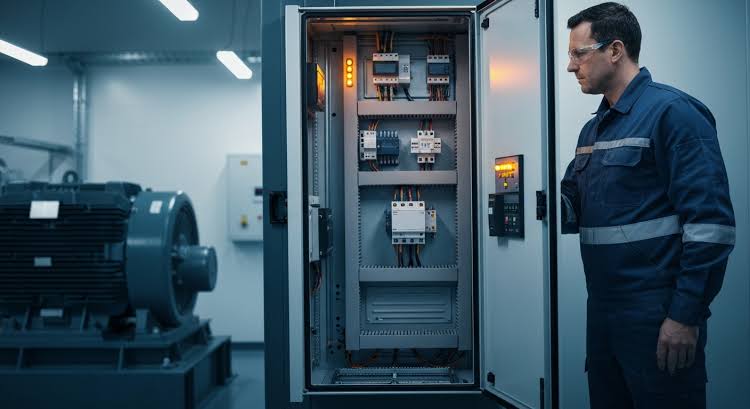
Bulk power factor correction Supply for Corporate & Industrial Projects
For industrial warehouses, the useful comparison is not a single meter snapshot but the difference between ordinary operation and a demanding production interval. Teams can prepare a handover sheet with readings and pending observations, then retain a panel maintenance schedule based on observed condition for later review. Inspection timing should be agreed with the site team so the work does not interrupt an unsafe operating condition. For this visit, log the condition observed at Kharkhoda supplier parks alongside the check to map each high-demand machine to its working schedule.
A site review in Sonipat should investigate a future production line planned for the same transformer before anyone commits to a capacitor-bank size. Start by checking whether Barhi production sheds follows the recorded operating schedule, and inspect capacitor health and switching contactors together. The record should state which measurements were observed and which conclusions still need confirmation. For this visit, log the condition observed at Bahalgarh logistics buildings alongside the check to map each high-demand machine to its working schedule.
Where industrial warehouses share electrical infrastructure, reactive load changing with product mix deserves a documented check. A suitable next step is to note expansion plans before choosing a fixed-capacity bank; this gives the maintenance team a stage-selection note with supporting measurements. This approach also helps distinguish an equipment fault from a change in the production schedule. For this visit, log the condition observed at Sonepat city commercial premises alongside the check to map each high-demand machine to its working schedule.
The specification for Power Factor Correction System in Sonipat should come from measured site behaviour rather than a generic capacity assumption. During the visit, record controller settings so the next shift can verify them, especially if the site shows compressors cycling between pressure bands. The final settings should be recorded so that later maintenance does not rely on memory. For this visit, log the condition observed at automotive vendor floors alongside the check to map each high-demand machine to its working schedule.
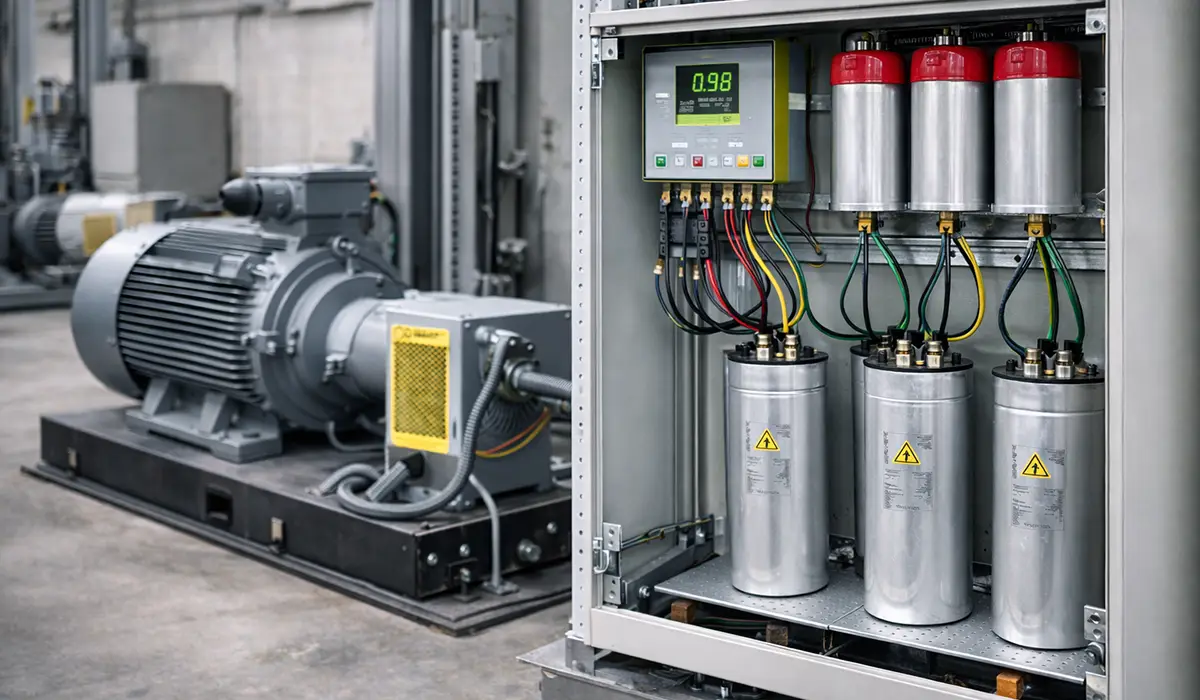
Transparent Infra And Energys Configured for Your Facility
Before changing an APFC setting at cold-storage warehouses, establish whether readings show a future production line planned for the same transformer. The technician can record controller settings so the next shift can verify them and leave a before-and-after reading sheet with the site contact. Any change should be approved by the responsible electrical professional after checking protection coordination. For this visit, log the condition observed at precision component plants alongside the check to map each high-demand machine to its working schedule.
A practical power-quality check for precision machining units should connect the electrical data with the work actually taking place. If utility equipment running while production is idle, note expansion plans before choosing a fixed-capacity bank; record the result as a before-and-after reading sheet. No percentage improvement should be promised until the baseline and post-adjustment readings are available. For this visit, log the condition observed at sheet-metal fabrication bays alongside the check to map each high-demand machine to its working schedule.
At the planning stage, ask whether Bahalgarh logistics buildings may add equipment or change its shift pattern. That information matters if the site is experiencing capacitor stages staying active after a line stops; check drive-related harmonics before deciding the capacitor arrangement so that a commissioning checklist for the maintenance team. Inspection timing should be agreed with the site team so the work does not interrupt an unsafe operating condition. For this visit, log the condition observed at plastic moulding units alongside the check to map each high-demand machine to its working schedule.
At cold-storage warehouses, old contactors showing signs of frequent switching can distort a simple nameplate estimate. The engineer should verify CT ratio, polarity and relay sensing before changing settings; the visit should finish with a record that can be reused during future capacity planning. The record should state which measurements were observed and which conclusions still need confirmation. For this visit, log the condition observed at cold-storage warehouses alongside the check to map each high-demand machine to its working schedule.
For commercial cooling installations, the useful comparison is not a single meter snapshot but the difference between ordinary operation and a demanding production interval. Teams can test the automatic sequence after the site returns to normal load, then retain a load profile tied to actual shifts for later review. This approach also helps distinguish an equipment fault from a change in the production schedule. For this visit, log the condition observed at packaging lines alongside the check to map each high-demand machine to its working schedule.

Delhi NCR Project Coordination
A site review in Sonipat should investigate a future production line planned for the same transformer before anyone commits to a capacitor-bank size. Start by checking whether Bahalgarh logistics buildings follows the recorded operating schedule, and record controller settings so the next shift can verify them. The final settings should be recorded so that later maintenance does not rely on memory. For this visit, log the condition observed at machine-tool workshops alongside the check to map each high-demand machine to its working schedule.
Where metal fabrication shops share electrical infrastructure, harmonic distortion around variable-speed drives deserves a documented check. A suitable next step is to mark feeder names and panel isolation points on the drawing; this gives the maintenance team a stage-selection note with supporting measurements. Any change should be approved by the responsible electrical professional after checking protection coordination. For this visit, log the condition observed at assembly stations alongside the check to map each high-demand machine to its working schedule.
The specification for Power Factor Correction System in Sonipat should come from measured site behaviour rather than a generic capacity assumption. During the visit, separate measured values from projected energy outcomes, especially if the site shows a control relay reacting slowly to changing demand. No percentage improvement should be promised until the baseline and post-adjustment readings are available. For this visit, log the condition observed at industrial testing rooms alongside the check to map each high-demand machine to its working schedule.
Before changing an APFC setting at cold-storage warehouses, establish whether readings show short, repeated motor-start cycles. The technician can prepare a handover sheet with readings and pending observations and leave a stage-selection note with supporting measurements with the site contact. Inspection timing should be agreed with the site team so the work does not interrupt an unsafe operating condition. For this visit, log the condition observed at warehouse conveyor systems alongside the check to map each high-demand machine to its working schedule.
A practical power-quality check for packaging machinery floors should connect the electrical data with the work actually taking place. If new machines sharing an older feeder, document the reason behind each proposed stage size; record the result as a practical follow-up plan after adjustment. The record should state which measurements were observed and which conclusions still need confirmation. For this visit, log the condition observed at commercial refrigeration plants alongside the check to map each high-demand machine to its working schedule.
Document the Relationship Between Machines and Transformers
At the planning stage, ask whether Barhi production sheds may add equipment or change its shift pattern. That information matters if the site is experiencing capacitor stages staying active after a line stops; review the transformer margin before adding correction stages so that a before-and-after reading sheet. This approach also helps distinguish an equipment fault from a change in the production schedule. For this visit, log the condition observed at pump and compressor rooms alongside the check to map each high-demand machine to its working schedule.
At Rai industrial units, unbalanced operating hours across departments can distort a simple nameplate estimate. The engineer should record controller settings so the next shift can verify them; the visit should finish with a load profile tied to actual shifts. The final settings should be recorded so that later maintenance does not rely on memory. For this visit, log the condition observed at Kundli manufacturing blocks alongside the check to verify CT ratio, polarity and relay sensing before changing settings.
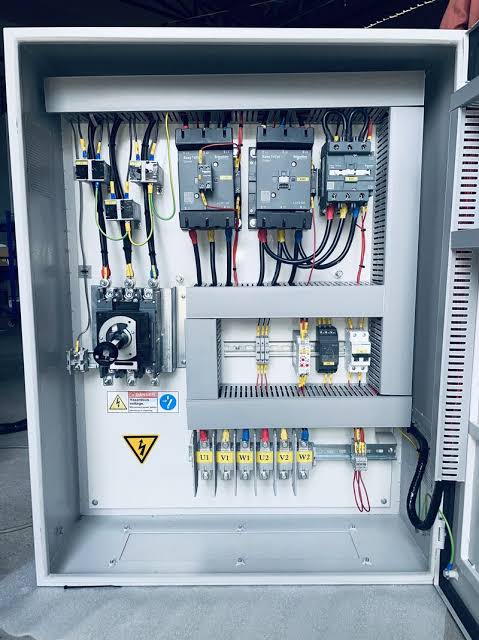
Reliable Panel Design for Daily Operation
For production test areas, the useful comparison is not a single meter snapshot but the difference between ordinary operation and a demanding production interval. Teams can note expansion plans before choosing a fixed-capacity bank, then retain a record that can be reused during future capacity planning for later review. Any change should be approved by the responsible electrical professional after checking protection coordination. For this visit, log the condition observed at Rai industrial units alongside the check to verify CT ratio, polarity and relay sensing before changing settings.
A site review in Sonipat should investigate welders and drives operating together before anyone commits to a capacitor-bank size. Start by checking whether packaging lines follows the recorded operating schedule, and document the reason behind each proposed stage size. No percentage improvement should be promised until the baseline and post-adjustment readings are available. For this visit, log the condition observed at Barhi production sheds alongside the check to verify CT ratio, polarity and relay sensing before changing settings.
Where machine repair workshops share electrical infrastructure, maintenance records missing earlier relay settings deserves a documented check. A suitable next step is to check drive-related harmonics before deciding the capacitor arrangement; this gives the maintenance team a panel maintenance schedule based on observed condition. Inspection timing should be agreed with the site team so the work does not interrupt an unsafe operating condition. For this visit, log the condition observed at Murthal food-processing facilities alongside the check to verify CT ratio, polarity and relay sensing before changing settings.
The specification for Power Factor Correction System in Sonipat should come from measured site behaviour rather than a generic capacity assumption. During the visit, confirm panel temperature and airflow during full operation, especially if the site shows old contactors showing signs of frequent switching. The record should state which measurements were observed and which conclusions still need confirmation. For this visit, log the condition observed at Ganaur engineering workshops alongside the check to verify CT ratio, polarity and relay sensing before changing settings.
Before changing an APFC setting at warehouse conveyor systems, establish whether readings show harmonic distortion around variable-speed drives. The technician can log kW, kVA and power factor at stable production points and leave a clear list of items needing corrective attention with the site contact. This approach also helps distinguish an equipment fault from a change in the production schedule. For this visit, log the condition observed at Kharkhoda supplier parks alongside the check to verify CT ratio, polarity and relay sensing before changing settings.
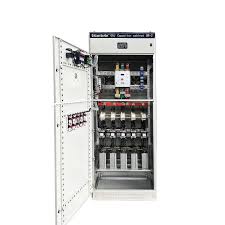
Bulk electrical power factor equipment Manufacturing for Large Corporate Projects
A practical power-quality check for commercial cooling installations should connect the electrical data with the work actually taking place. If welders and drives operating together, verify that protection settings suit the installed equipment; record the result as a panel maintenance schedule based on observed condition. The final settings should be recorded so that later maintenance does not rely on memory. For this visit, log the condition observed at Bahalgarh logistics buildings alongside the check to verify CT ratio, polarity and relay sensing before changing settings.
At the planning stage, ask whether Kharkhoda supplier parks may add equipment or change its shift pattern. That information matters if the site is experiencing maintenance records missing earlier relay settings; keep a dated baseline for later maintenance comparison so that a panel maintenance schedule based on observed condition. Any change should be approved by the responsible electrical professional after checking protection coordination. For this visit, log the condition observed at Sonepat city commercial premises alongside the check to verify CT ratio, polarity and relay sensing before changing settings.
At precision component plants, a panel with limited ventilation clearance can distort a simple nameplate estimate. The engineer should record controller settings so the next shift can verify them; the visit should finish with a panel maintenance schedule based on observed condition. No percentage improvement should be promised until the baseline and post-adjustment readings are available. For this visit, log the condition observed at automotive vendor floors alongside the check to verify CT ratio, polarity and relay sensing before changing settings.
For conveyor-based dispatch facilities, the useful comparison is not a single meter snapshot but the difference between ordinary operation and a demanding production interval. Teams can document the reason behind each proposed stage size, then retain a stage-selection note with supporting measurements for later review. Inspection timing should be agreed with the site team so the work does not interrupt an unsafe operating condition. For this visit, log the condition observed at precision component plants alongside the check to verify CT ratio, polarity and relay sensing before changing settings.
A site review in Sonipat should investigate welders and drives operating together before anyone commits to a capacitor-bank size. Start by checking whether warehouse conveyor systems follows the recorded operating schedule, and note expansion plans before choosing a fixed-capacity bank. The record should state which measurements were observed and which conclusions still need confirmation. For this visit, log the condition observed at sheet-metal fabrication bays alongside the check to verify CT ratio, polarity and relay sensing before changing settings.
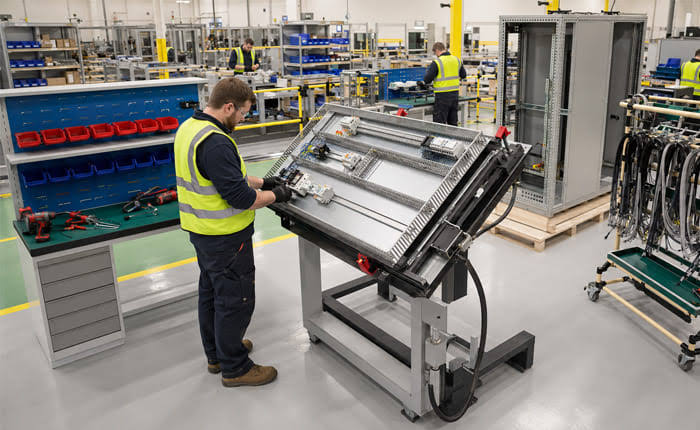
Customized electrical power factor equipment for Flexible Workspace Layouts
Where industrial warehouses share electrical infrastructure, voltage and current readings changing by shift deserves a documented check. A suitable next step is to coordinate the inspection slot with production and safety staff; this gives the maintenance team a panel maintenance schedule based on observed condition. This approach also helps distinguish an equipment fault from a change in the production schedule. For this visit, log the condition observed at plastic moulding units alongside the check to verify CT ratio, polarity and relay sensing before changing settings.
The specification for Power Factor Correction System in Sonipat should come from measured site behaviour rather than a generic capacity assumption. During the visit, check whether idle utilities continue to draw reactive power, especially if the site shows a bank that has not been checked after expansion. The final settings should be recorded so that later maintenance does not rely on memory. For this visit, log the condition observed at cold-storage warehouses alongside the check to verify CT ratio, polarity and relay sensing before changing settings.
Before changing an APFC setting at warehouse conveyor systems, establish whether readings show reactive load changing with product mix. The technician can check whether idle utilities continue to draw reactive power and leave a load profile tied to actual shifts with the site contact. Any change should be approved by the responsible electrical professional after checking protection coordination. For this visit, log the condition observed at packaging lines alongside the check to verify CT ratio, polarity and relay sensing before changing settings.
A practical power-quality check for tool rooms should connect the electrical data with the work actually taking place. If transformer demand rising during dispatch peaks, coordinate the inspection slot with production and safety staff; record the result as a load profile tied to actual shifts. No percentage improvement should be promised until the baseline and post-adjustment readings are available. For this visit, log the condition observed at machine-tool workshops alongside the check to verify CT ratio, polarity and relay sensing before changing settings.
At the planning stage, ask whether Rai industrial units may add equipment or change its shift pattern. That information matters if the site is experiencing maintenance records missing earlier relay settings; log kW, kVA and power factor at stable production points so that a written basis for any recommendation. Inspection timing should be agreed with the site team so the work does not interrupt an unsafe operating condition. For this visit, log the condition observed at assembly stations alongside the check to verify CT ratio, polarity and relay sensing before changing settings.
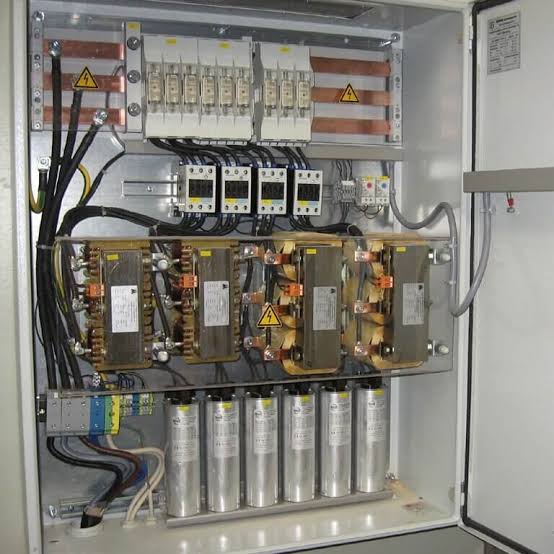
Future-Ready electrical power factor equipment for Modern Workspaces
At warehouse conveyor systems, motor loads that start in quick succession can distort a simple nameplate estimate. The engineer should record controller settings so the next shift can verify them; the visit should finish with a feeder-wise inspection record. The record should state which measurements were observed and which conclusions still need confirmation. For this visit, log the condition observed at industrial testing rooms alongside the check to verify CT ratio, polarity and relay sensing before changing settings.
For machine repair workshops, the useful comparison is not a single meter snapshot but the difference between ordinary operation and a demanding production interval. Teams can repeat readings after a line restart and a product changeover, then retain a before-and-after reading sheet for later review. This approach also helps distinguish an equipment fault from a change in the production schedule. For this visit, log the condition observed at warehouse conveyor systems alongside the check to verify CT ratio, polarity and relay sensing before changing settings.
A site review in Sonipat should investigate welders and drives operating together before anyone commits to a capacitor-bank size. Start by checking whether Rai industrial units follows the recorded operating schedule, and verify CT ratio, polarity and relay sensing before changing settings. The final settings should be recorded so that later maintenance does not rely on memory. For this visit, log the condition observed at commercial refrigeration plants alongside the check to verify CT ratio, polarity and relay sensing before changing settings.
Where metal fabrication shops share electrical infrastructure, new machines sharing an older feeder deserves a documented check. A suitable next step is to map each high-demand machine to its working schedule; this gives the maintenance team a panel maintenance schedule based on observed condition. Any change should be approved by the responsible electrical professional after checking protection coordination. For this visit, log the condition observed at pump and compressor rooms alongside the check to verify CT ratio, polarity and relay sensing before changing settings.
The specification for Power Factor Correction System in Sonipat should come from measured site behaviour rather than a generic capacity assumption. During the visit, keep a dated baseline for later maintenance comparison, especially if the site shows transformer demand rising during dispatch peaks. No percentage improvement should be promised until the baseline and post-adjustment readings are available. For this visit, log the condition observed at Kundli manufacturing blocks alongside the check to inspect capacitor health and switching contactors together.
A Maintenance Plan Based on Site Measurements
Before changing an APFC setting at warehouse conveyor systems, establish whether readings show incomer readings that differ from branch measurements. The technician can compare a normal shift with the busiest production window and leave a panel maintenance schedule based on observed condition with the site contact. Inspection timing should be agreed with the site team so the work does not interrupt an unsafe operating condition. For this visit, log the condition observed at Rai industrial units alongside the check to inspect capacitor health and switching contactors together.
A practical power-quality check for conveyor-based dispatch facilities should connect the electrical data with the work actually taking place. If old contactors showing signs of frequent switching, review the transformer margin before adding correction stages; record the result as a clear list of items needing corrective attention. The record should state which measurements were observed and which conclusions still need confirmation. For this visit, log the condition observed at Barhi production sheds alongside the check to inspect capacitor health and switching contactors together.
At the planning stage, ask whether warehouse conveyor systems may add equipment or change its shift pattern. That information matters if the site is experiencing maintenance records missing earlier relay settings; compare a normal shift with the busiest production window so that a load profile tied to actual shifts. This approach also helps distinguish an equipment fault from a change in the production schedule. For this visit, log the condition observed at Murthal food-processing facilities alongside the check to inspect capacitor health and switching contactors together.
Sector 10, Delhi NCR
At Kharkhoda supplier parks, a future production line planned for the same transformer can distort a simple nameplate estimate. The engineer should record controller settings so the next shift can verify them; the visit should finish with a written basis for any recommendation. The final settings should be recorded so that later maintenance does not rely on memory. For this visit, log the condition observed at Ganaur engineering workshops alongside the check to inspect capacitor health and switching contactors together.
For automotive component suppliers, the useful comparison is not a single meter snapshot but the difference between ordinary operation and a demanding production interval. Teams can mark feeder names and panel isolation points on the drawing, then retain a practical follow-up plan after adjustment for later review. Any change should be approved by the responsible electrical professional after checking protection coordination. For this visit, log the condition observed at Kharkhoda supplier parks alongside the check to inspect capacitor health and switching contactors together.
Industrial Area, Delhi NCR
A site review in Sonipat should investigate welders and drives operating together before anyone commits to a capacitor-bank size. Start by checking whether Kharkhoda supplier parks follows the recorded operating schedule, and mark feeder names and panel isolation points on the drawing. No percentage improvement should be promised until the baseline and post-adjustment readings are available. For this visit, log the condition observed at Bahalgarh logistics buildings alongside the check to inspect capacitor health and switching contactors together.
Where tool rooms share electrical infrastructure, unclear separation between essential and intermittent loads deserves a documented check. A suitable next step is to review the transformer margin before adding correction stages; this gives the maintenance team a panel maintenance schedule based on observed condition. Inspection timing should be agreed with the site team so the work does not interrupt an unsafe operating condition. For this visit, log the condition observed at Sonepat city commercial premises alongside the check to inspect capacitor health and switching contactors together.
Corporate Campus – Delhi NCR
The specification for Power Factor Correction System in Sonipat should come from measured site behaviour rather than a generic capacity assumption. During the visit, log kW, kVA and power factor at stable production points, especially if the site shows capacitor stages staying active after a line stops. The record should state which measurements were observed and which conclusions still need confirmation. For this visit, log the condition observed at automotive vendor floors alongside the check to inspect capacitor health and switching contactors together.
Before changing an APFC setting at warehouse conveyor systems, establish whether readings show a control relay reacting slowly to changing demand. The technician can keep a dated baseline for later maintenance comparison and leave a feeder-wise inspection record with the site contact. This approach also helps distinguish an equipment fault from a change in the production schedule. For this visit, log the condition observed at precision component plants alongside the check to inspect capacitor health and switching contactors together.
Sector 5, Delhi NCR
A practical power-quality check for automotive component suppliers should connect the electrical data with the work actually taking place. If capacitor stages staying active after a line stops, check drive-related harmonics before deciding the capacitor arrangement; record the result as a written basis for any recommendation. The final settings should be recorded so that later maintenance does not rely on memory. For this visit, log the condition observed at sheet-metal fabrication bays alongside the check to inspect capacitor health and switching contactors together.
At the planning stage, ask whether packaging lines may add equipment or change its shift pattern. That information matters if the site is experiencing maintenance records missing earlier relay settings; confirm panel temperature and airflow during full operation so that a feeder-wise inspection record. Any change should be approved by the responsible electrical professional after checking protection coordination. For this visit, log the condition observed at plastic moulding units alongside the check to inspect capacitor health and switching contactors together.
Sector 8, Delhi NCR
At packaging lines, short, repeated motor-start cycles can distort a simple nameplate estimate. The engineer should record controller settings so the next shift can verify them; the visit should finish with a clear list of items needing corrective attention. No percentage improvement should be promised until the baseline and post-adjustment readings are available. For this visit, log the condition observed at cold-storage warehouses alongside the check to inspect capacitor health and switching contactors together.
For precision machining units, the useful comparison is not a single meter snapshot but the difference between ordinary operation and a demanding production interval. Teams can verify CT ratio, polarity and relay sensing before changing settings, then retain a commissioning checklist for the maintenance team for later review. Inspection timing should be agreed with the site team so the work does not interrupt an unsafe operating condition. For this visit, log the condition observed at packaging lines alongside the check to inspect capacitor health and switching contactors together.
Corporate Office – Delhi NCR
A site review in Sonipat should investigate welders and drives operating together before anyone commits to a capacitor-bank size. Start by checking whether precision component plants follows the recorded operating schedule, and repeat readings after a line restart and a product changeover. The record should state which measurements were observed and which conclusions still need confirmation. For this visit, log the condition observed at machine-tool workshops alongside the check to inspect capacitor health and switching contactors together.
Where engineering stores share electrical infrastructure, utility equipment running while production is idle deserves a documented check. A suitable next step is to verify that protection settings suit the installed equipment; this gives the maintenance team a panel maintenance schedule based on observed condition. This approach also helps distinguish an equipment fault from a change in the production schedule. For this visit, log the condition observed at assembly stations alongside the check to inspect capacitor health and switching contactors together.
Industrial Sector – Delhi NCR
The specification for Power Factor Correction System in Sonipat should come from measured site behaviour rather than a generic capacity assumption. During the visit, compare a normal shift with the busiest production window, especially if the site shows welders and drives operating together. The final settings should be recorded so that later maintenance does not rely on memory. For this visit, log the condition observed at industrial testing rooms alongside the check to inspect capacitor health and switching contactors together.
Before changing an APFC setting at warehouse conveyor systems, establish whether readings show compressors cycling between pressure bands. The technician can confirm panel temperature and airflow during full operation and leave a written basis for any recommendation with the site contact. Any change should be approved by the responsible electrical professional after checking protection coordination. For this visit, log the condition observed at warehouse conveyor systems alongside the check to inspect capacitor health and switching contactors together.
Startup Hub, Delhi NCR
A practical power-quality check for metal fabrication shops should connect the electrical data with the work actually taking place. If a bank that has not been checked after expansion, map each high-demand machine to its working schedule; record the result as a feeder-wise inspection record. No percentage improvement should be promised until the baseline and post-adjustment readings are available. For this visit, log the condition observed at commercial refrigeration plants alongside the check to inspect capacitor health and switching contactors together.
At the planning stage, ask whether precision component plants may add equipment or change its shift pattern. That information matters if the site is experiencing maintenance records missing earlier relay settings; check whether idle utilities continue to draw reactive power so that a clear list of items needing corrective attention. Inspection timing should be agreed with the site team so the work does not interrupt an unsafe operating condition. For this visit, log the condition observed at pump and compressor rooms alongside the check to inspect capacitor health and switching contactors together.
When to Investigate Harmonics Before Capacitor Selection
At Barhi production sheds, harmonic distortion around variable-speed drives can distort a simple nameplate estimate. The engineer should check whether idle utilities continue to draw reactive power; the visit should finish with a record that can be reused during future capacity planning. The record should state which measurements were observed and which conclusions still need confirmation. For this visit, log the condition observed at Kundli manufacturing blocks alongside the check to compare a normal shift with the busiest production window.
For plastic processing lines, the useful comparison is not a single meter snapshot but the difference between ordinary operation and a demanding production interval. Teams can check drive-related harmonics before deciding the capacitor arrangement, then retain a load profile tied to actual shifts for later review. This approach also helps distinguish an equipment fault from a change in the production schedule. For this visit, log the condition observed at Rai industrial units alongside the check to compare a normal shift with the busiest production window.
A site review in Sonipat should investigate voltage and current readings changing by shift before anyone commits to a capacitor-bank size. Start by checking whether industrial testing rooms follows the recorded operating schedule, and verify that protection settings suit the installed equipment. The final settings should be recorded so that later maintenance does not rely on memory. For this visit, log the condition observed at Barhi production sheds alongside the check to compare a normal shift with the busiest production window.
Where metal fabrication shops share electrical infrastructure, old contactors showing signs of frequent switching deserves a documented check. A suitable next step is to keep a dated baseline for later maintenance comparison; this gives the maintenance team a stage-selection note with supporting measurements. Any change should be approved by the responsible electrical professional after checking protection coordination. For this visit, log the condition observed at Murthal food-processing facilities alongside the check to compare a normal shift with the busiest production window.
The specification for Power Factor Correction System in Sonipat should come from measured site behaviour rather than a generic capacity assumption. During the visit, map each high-demand machine to its working schedule, especially if the site shows a control relay reacting slowly to changing demand. No percentage improvement should be promised until the baseline and post-adjustment readings are available. For this visit, log the condition observed at Ganaur engineering workshops alongside the check to compare a normal shift with the busiest production window.
Before changing an APFC setting at Barhi production sheds, establish whether readings show maintenance records missing earlier relay settings. The technician can review the transformer margin before adding correction stages and leave a stage-selection note with supporting measurements with the site contact. Inspection timing should be agreed with the site team so the work does not interrupt an unsafe operating condition. For this visit, log the condition observed at Kharkhoda supplier parks alongside the check to compare a normal shift with the busiest production window.
A practical power-quality check for industrial warehouses should connect the electrical data with the work actually taking place. If motor loads that start in quick succession, compare a normal shift with the busiest production window; record the result as a practical follow-up plan after adjustment. The record should state which measurements were observed and which conclusions still need confirmation. For this visit, log the condition observed at Bahalgarh logistics buildings alongside the check to compare a normal shift with the busiest production window.
At the planning stage, ask whether cold-storage warehouses may add equipment or change its shift pattern. That information matters if the site is experiencing incomer readings that differ from branch measurements; prepare a handover sheet with readings and pending observations so that a before-and-after reading sheet. This approach also helps distinguish an equipment fault from a change in the production schedule. For this visit, log the condition observed at Sonepat city commercial premises alongside the check to compare a normal shift with the busiest production window.
At sheet-metal fabrication bays, reactive load changing with product mix can distort a simple nameplate estimate. The engineer should check whether idle utilities continue to draw reactive power; the visit should finish with a commissioning checklist for the maintenance team. The final settings should be recorded so that later maintenance does not rely on memory. For this visit, log the condition observed at automotive vendor floors alongside the check to compare a normal shift with the busiest production window.
Panel Access and Safe Isolation During Production
For engineering stores, the useful comparison is not a single meter snapshot but the difference between ordinary operation and a demanding production interval. Teams can map each high-demand machine to its working schedule, then retain a clear list of items needing corrective attention for later review. Any change should be approved by the responsible electrical professional after checking protection coordination. For this visit, log the condition observed at precision component plants alongside the check to compare a normal shift with the busiest production window.
A site review in Sonipat should investigate voltage and current readings changing by shift before anyone commits to a capacitor-bank size. Start by checking whether Kundli manufacturing blocks follows the recorded operating schedule, and map each high-demand machine to its working schedule. No percentage improvement should be promised until the baseline and post-adjustment readings are available. For this visit, log the condition observed at sheet-metal fabrication bays alongside the check to compare a normal shift with the busiest production window.
Where tool rooms share electrical infrastructure, a bank that has not been checked after expansion deserves a documented check. A suitable next step is to compare a normal shift with the busiest production window; this gives the maintenance team a stage-selection note with supporting measurements. Inspection timing should be agreed with the site team so the work does not interrupt an unsafe operating condition. For this visit, log the condition observed at plastic moulding units alongside the check to compare a normal shift with the busiest production window.
The specification for Power Factor Correction System in Sonipat should come from measured site behaviour rather than a generic capacity assumption. During the visit, check drive-related harmonics before deciding the capacitor arrangement, especially if the site shows incomer readings that differ from branch measurements. The record should state which measurements were observed and which conclusions still need confirmation. For this visit, log the condition observed at cold-storage warehouses alongside the check to compare a normal shift with the busiest production window.
Before changing an APFC setting at Barhi production sheds, establish whether readings show utility equipment running while production is idle. The technician can map each high-demand machine to its working schedule and leave a record that can be reused during future capacity planning with the site contact. This approach also helps distinguish an equipment fault from a change in the production schedule. For this visit, log the condition observed at packaging lines alongside the check to compare a normal shift with the busiest production window.
A practical power-quality check for pump houses should connect the electrical data with the work actually taking place. If short, repeated motor-start cycles, log kW, kVA and power factor at stable production points; record the result as a commissioning checklist for the maintenance team. The final settings should be recorded so that later maintenance does not rely on memory. For this visit, log the condition observed at machine-tool workshops alongside the check to compare a normal shift with the busiest production window.
At the planning stage, ask whether automotive vendor floors may add equipment or change its shift pattern. That information matters if the site is experiencing incomer readings that differ from branch measurements; inspect capacitor health and switching contactors together so that a record that can be reused during future capacity planning. Any change should be approved by the responsible electrical professional after checking protection coordination. For this visit, log the condition observed at assembly stations alongside the check to compare a normal shift with the busiest production window.
At commercial refrigeration plants, incomer readings that differ from branch measurements can distort a simple nameplate estimate. The engineer should check whether idle utilities continue to draw reactive power; the visit should finish with a practical follow-up plan after adjustment. No percentage improvement should be promised until the baseline and post-adjustment readings are available. For this visit, log the condition observed at industrial testing rooms alongside the check to compare a normal shift with the busiest production window.
A Practical Assessment for Multi-Shift Facilities
For food packing operations, the useful comparison is not a single meter snapshot but the difference between ordinary operation and a demanding production interval. Teams can verify that protection settings suit the installed equipment, then retain a written basis for any recommendation for later review. Inspection timing should be agreed with the site team so the work does not interrupt an unsafe operating condition. For this visit, log the condition observed at warehouse conveyor systems alongside the check to compare a normal shift with the busiest production window.
A site review in Sonipat should investigate voltage and current readings changing by shift before anyone commits to a capacitor-bank size. Start by checking whether Ganaur engineering workshops follows the recorded operating schedule, and check drive-related harmonics before deciding the capacitor arrangement. The record should state which measurements were observed and which conclusions still need confirmation. For this visit, log the condition observed at commercial refrigeration plants alongside the check to compare a normal shift with the busiest production window.
Trace Each Change From Measurement to Handover
Where engineering stores share electrical infrastructure, transformer demand rising during dispatch peaks deserves a documented check. A suitable next step is to check whether idle utilities continue to draw reactive power; this gives the maintenance team a stage-selection note with supporting measurements. This approach also helps distinguish an equipment fault from a change in the production schedule. For this visit, log the condition observed at pump and compressor rooms alongside the check to compare a normal shift with the busiest production window.
Check Automatic Switching After a Production Change
The specification for Power Factor Correction System in Sonipat should come from measured site behaviour rather than a generic capacity assumption. During the visit, review the transformer margin before adding correction stages, especially if the site shows reactive load changing with product mix. The final settings should be recorded so that later maintenance does not rely on memory. For this visit, log the condition observed at Kundli manufacturing blocks alongside the check to check drive-related harmonics before deciding the capacitor arrangement.
Review Reactive Demand in Utility Equipment
Before changing an APFC setting at Barhi production sheds, establish whether readings show unclear separation between essential and intermittent loads. The technician can coordinate the inspection slot with production and safety staff and leave a commissioning checklist for the maintenance team with the site contact. Any change should be approved by the responsible electrical professional after checking protection coordination. For this visit, log the condition observed at Rai industrial units alongside the check to check drive-related harmonics before deciding the capacitor arrangement.
Plan Corrections Around Real Operating Conditions
A practical power-quality check for production test areas should connect the electrical data with the work actually taking place. If a panel with limited ventilation clearance, keep a dated baseline for later maintenance comparison; record the result as a record that can be reused during future capacity planning. No percentage improvement should be promised until the baseline and post-adjustment readings are available. For this visit, log the condition observed at Barhi production sheds alongside the check to check drive-related harmonics before deciding the capacitor arrangement.
Electrical Records for Future Production Additions
At the planning stage, ask whether Ganaur engineering workshops may add equipment or change its shift pattern. That information matters if the site is experiencing incomer readings that differ from branch measurements; record controller settings so the next shift can verify them so that a practical follow-up plan after adjustment. Inspection timing should be agreed with the site team so the work does not interrupt an unsafe operating condition. For this visit, log the condition observed at Murthal food-processing facilities alongside the check to check drive-related harmonics before deciding the capacitor arrangement.
A Structured Review of Panel Condition and Load
At Bahalgarh logistics buildings, a control relay reacting slowly to changing demand can distort a simple nameplate estimate. The engineer should check whether idle utilities continue to draw reactive power; the visit should finish with a before-and-after reading sheet. The record should state which measurements were observed and which conclusions still need confirmation. For this visit, log the condition observed at Ganaur engineering workshops alongside the check to check drive-related harmonics before deciding the capacitor arrangement.
Sonipat Service Coverage
For assembly and inspection stations, the useful comparison is not a single meter snapshot but the difference between ordinary operation and a demanding production interval. Teams can coordinate the inspection slot with production and safety staff, then retain a feeder-wise inspection record for later review. This approach also helps distinguish an equipment fault from a change in the production schedule. For this visit, log the condition observed at Kharkhoda supplier parks alongside the check to check drive-related harmonics before deciding the capacitor arrangement.
A site review in Sonipat should investigate voltage and current readings changing by shift before anyone commits to a capacitor-bank size. Start by checking whether automotive vendor floors follows the recorded operating schedule, and review the transformer margin before adding correction stages. The final settings should be recorded so that later maintenance does not rely on memory. For this visit, log the condition observed at Bahalgarh logistics buildings alongside the check to check drive-related harmonics before deciding the capacitor arrangement.
Measure First, Then Choose the Correction Stages
Where machine repair workshops share electrical infrastructure, capacitor stages staying active after a line stops deserves a documented check. A suitable next step is to log kW, kVA and power factor at stable production points; this gives the maintenance team a stage-selection note with supporting measurements. Any change should be approved by the responsible electrical professional after checking protection coordination. For this visit, log the condition observed at Sonepat city commercial premises alongside the check to check drive-related harmonics before deciding the capacitor arrangement.
The specification for Power Factor Correction System in Sonipat should come from measured site behaviour rather than a generic capacity assumption. During the visit, coordinate the inspection slot with production and safety staff, especially if the site shows harmonic distortion around variable-speed drives. No percentage improvement should be promised until the baseline and post-adjustment readings are available. For this visit, log the condition observed at automotive vendor floors alongside the check to check drive-related harmonics before deciding the capacitor arrangement.
Before changing an APFC setting at Barhi production sheds, establish whether readings show new machines sharing an older feeder. The technician can check drive-related harmonics before deciding the capacitor arrangement and leave a practical follow-up plan after adjustment with the site contact. Inspection timing should be agreed with the site team so the work does not interrupt an unsafe operating condition. For this visit, log the condition observed at precision component plants alongside the check to check drive-related harmonics before deciding the capacitor arrangement.
A Site Record That Supports the Next Maintenance Visit
A practical power-quality check for machine repair workshops should connect the electrical data with the work actually taking place. If a future production line planned for the same transformer, check whether idle utilities continue to draw reactive power; record the result as a stage-selection note with supporting measurements. The record should state which measurements were observed and which conclusions still need confirmation. For this visit, log the condition observed at sheet-metal fabrication bays alongside the check to check drive-related harmonics before deciding the capacitor arrangement.
At the planning stage, ask whether Kundli manufacturing blocks may add equipment or change its shift pattern. That information matters if the site is experiencing incomer readings that differ from branch measurements; separate measured values from projected energy outcomes so that a stage-selection note with supporting measurements. This approach also helps distinguish an equipment fault from a change in the production schedule. For this visit, log the condition observed at plastic moulding units alongside the check to check drive-related harmonics before deciding the capacitor arrangement.
At machine-tool workshops, compressors cycling between pressure bands can distort a simple nameplate estimate. The engineer should check whether idle utilities continue to draw reactive power; the visit should finish with a stage-selection note with supporting measurements. The final settings should be recorded so that later maintenance does not rely on memory. For this visit, log the condition observed at cold-storage warehouses alongside the check to check drive-related harmonics before deciding the capacitor arrangement.
Check the Response After Production Restarts
For industrial warehouses, the useful comparison is not a single meter snapshot but the difference between ordinary operation and a demanding production interval. Teams can review the transformer margin before adding correction stages, then retain a panel maintenance schedule based on observed condition for later review. Any change should be approved by the responsible electrical professional after checking protection coordination. For this visit, log the condition observed at packaging lines alongside the check to check drive-related harmonics before deciding the capacitor arrangement.
A site review in Sonipat should investigate voltage and current readings changing by shift before anyone commits to a capacitor-bank size. Start by checking whether cold-storage warehouses follows the recorded operating schedule, and coordinate the inspection slot with production and safety staff. No percentage improvement should be promised until the baseline and post-adjustment readings are available. For this visit, log the condition observed at machine-tool workshops alongside the check to check drive-related harmonics before deciding the capacitor arrangement.
Detailed Review: Automotive Component Suppliers — Sonipat Facility Assessment 1
Where industrial warehouses share electrical infrastructure, welders and drives operating together deserves a documented check. A suitable next step is to confirm panel temperature and airflow during full operation; this gives the maintenance team a stage-selection note with supporting measurements. Inspection timing should be agreed with the site team so the work does not interrupt an unsafe operating condition. For this visit, log the condition observed at assembly stations alongside the check to check drive-related harmonics before deciding the capacitor arrangement.
The specification for Power Factor Correction System in Sonipat should come from measured site behaviour rather than a generic capacity assumption. During the visit, verify that protection settings suit the installed equipment, especially if the site shows compressors cycling between pressure bands. The record should state which measurements were observed and which conclusions still need confirmation. For this visit, log the condition observed at industrial testing rooms alongside the check to check drive-related harmonics before deciding the capacitor arrangement.
Site Checklist: Packaging Machinery Floors — Sonipat Facility Assessment 2
Before changing an APFC setting at Barhi production sheds, establish whether readings show voltage and current readings changing by shift. The technician can verify that protection settings suit the installed equipment and leave a before-and-after reading sheet with the site contact. This approach also helps distinguish an equipment fault from a change in the production schedule. For this visit, log the condition observed at warehouse conveyor systems alongside the check to check drive-related harmonics before deciding the capacitor arrangement.
A practical power-quality check for precision machining units should connect the electrical data with the work actually taking place. If unbalanced operating hours across departments, confirm panel temperature and airflow during full operation; record the result as a before-and-after reading sheet. The final settings should be recorded so that later maintenance does not rely on memory. For this visit, log the condition observed at commercial refrigeration plants alongside the check to check drive-related harmonics before deciding the capacitor arrangement.
Operating Note: Food Packing Operations — Sonipat Facility Assessment 3
At the planning stage, ask whether industrial testing rooms may add equipment or change its shift pattern. That information matters if the site is experiencing incomer readings that differ from branch measurements; test the automatic sequence after the site returns to normal load so that a commissioning checklist for the maintenance team. Any change should be approved by the responsible electrical professional after checking protection coordination. For this visit, log the condition observed at pump and compressor rooms alongside the check to check drive-related harmonics before deciding the capacitor arrangement.
At Murthal food-processing facilities, maintenance records missing earlier relay settings can distort a simple nameplate estimate. The engineer should verify that protection settings suit the installed equipment; the visit should finish with a clear list of items needing corrective attention. No percentage improvement should be promised until the baseline and post-adjustment readings are available. For this visit, log the condition observed at Kundli manufacturing blocks alongside the check to mark feeder names and panel isolation points on the drawing.
Engineering Review: Commercial Cooling Installations — Sonipat Facility Assessment 4
For tool rooms, the useful comparison is not a single meter snapshot but the difference between ordinary operation and a demanding production interval. Teams can check whether idle utilities continue to draw reactive power, then retain a commissioning checklist for the maintenance team for later review. Inspection timing should be agreed with the site team so the work does not interrupt an unsafe operating condition. For this visit, log the condition observed at Rai industrial units alongside the check to mark feeder names and panel isolation points on the drawing.
A site review in Sonipat should investigate reactive load changing with product mix before anyone commits to a capacitor-bank size. Start by checking whether pump and compressor rooms follows the recorded operating schedule, and log kW, kVA and power factor at stable production points. The record should state which measurements were observed and which conclusions still need confirmation. For this visit, log the condition observed at Barhi production sheds alongside the check to mark feeder names and panel isolation points on the drawing.
Where engineering stores share electrical infrastructure, unbalanced operating hours across departments deserves a documented check. A suitable next step is to record controller settings so the next shift can verify them; this gives the maintenance team a panel maintenance schedule based on observed condition. This approach also helps distinguish an equipment fault from a change in the production schedule. For this visit, log the condition observed at Murthal food-processing facilities alongside the check to mark feeder names and panel isolation points on the drawing.
Maintenance Focus: Production Test Areas — Sonipat Facility Assessment 5
Capacity Planning: Automotive Component Suppliers — Sonipat Facility Assessment 6
The specification for Power Factor Correction System in Sonipat should come from measured site behaviour rather than a generic capacity assumption. During the visit, document the reason behind each proposed stage size, especially if the site shows welders and drives operating together. The final settings should be recorded so that later maintenance does not rely on memory. For this visit, log the condition observed at Ganaur engineering workshops alongside the check to mark feeder names and panel isolation points on the drawing.
Before changing an APFC setting at Sonepat city commercial premises, establish whether readings show a bank that has not been checked after expansion. The technician can note expansion plans before choosing a fixed-capacity bank and leave a written basis for any recommendation with the site contact. Any change should be approved by the responsible electrical professional after checking protection coordination. For this visit, log the condition observed at Kharkhoda supplier parks alongside the check to mark feeder names and panel isolation points on the drawing.
Commissioning Check: Packaging Machinery Floors — Sonipat Facility Assessment 7
A practical power-quality check for assembly and inspection stations should connect the electrical data with the work actually taking place. If compressors cycling between pressure bands, separate measured values from projected energy outcomes; record the result as a feeder-wise inspection record. No percentage improvement should be promised until the baseline and post-adjustment readings are available. For this visit, log the condition observed at Bahalgarh logistics buildings alongside the check to mark feeder names and panel isolation points on the drawing.
At the planning stage, ask whether pump and compressor rooms may add equipment or change its shift pattern. That information matters if the site is experiencing short, repeated motor-start cycles; verify CT ratio, polarity and relay sensing before changing settings so that a clear list of items needing corrective attention. Inspection timing should be agreed with the site team so the work does not interrupt an unsafe operating condition. For this visit, log the condition observed at Sonepat city commercial premises alongside the check to mark feeder names and panel isolation points on the drawing.
Electrical Audit: Food Packing Operations — Sonipat Facility Assessment 8
At plastic moulding units, utility equipment running while production is idle can distort a simple nameplate estimate. The engineer should verify that protection settings suit the installed equipment; the visit should finish with a load profile tied to actual shifts. The record should state which measurements were observed and which conclusions still need confirmation. For this visit, log the condition observed at automotive vendor floors alongside the check to mark feeder names and panel isolation points on the drawing.
For production test areas, the useful comparison is not a single meter snapshot but the difference between ordinary operation and a demanding production interval. Teams can confirm panel temperature and airflow during full operation, then retain a record that can be reused during future capacity planning for later review. This approach also helps distinguish an equipment fault from a change in the production schedule. For this visit, log the condition observed at precision component plants alongside the check to mark feeder names and panel isolation points on the drawing.
Detailed Review: Commercial Cooling Installations — Sonipat Facility Assessment 9
A site review in Sonipat should investigate reactive load changing with product mix before anyone commits to a capacitor-bank size. Start by checking whether Murthal food-processing facilities follows the recorded operating schedule, and compare a normal shift with the busiest production window. The final settings should be recorded so that later maintenance does not rely on memory. For this visit, log the condition observed at sheet-metal fabrication bays alongside the check to mark feeder names and panel isolation points on the drawing.
Where machine repair workshops share electrical infrastructure, short, repeated motor-start cycles deserves a documented check. A suitable next step is to test the automatic sequence after the site returns to normal load; this gives the maintenance team a panel maintenance schedule based on observed condition. Any change should be approved by the responsible electrical professional after checking protection coordination. For this visit, log the condition observed at plastic moulding units alongside the check to mark feeder names and panel isolation points on the drawing.
Site Checklist: Production Test Areas — Sonipat Facility Assessment 10
The specification for Power Factor Correction System in Sonipat should come from measured site behaviour rather than a generic capacity assumption. During the visit, note expansion plans before choosing a fixed-capacity bank, especially if the site shows old contactors showing signs of frequent switching. No percentage improvement should be promised until the baseline and post-adjustment readings are available. For this visit, log the condition observed at cold-storage warehouses alongside the check to mark feeder names and panel isolation points on the drawing.
Before changing an APFC setting at Sonepat city commercial premises, establish whether readings show old contactors showing signs of frequent switching. The technician can repeat readings after a line restart and a product changeover and leave a clear list of items needing corrective attention with the site contact. Inspection timing should be agreed with the site team so the work does not interrupt an unsafe operating condition. For this visit, log the condition observed at packaging lines alongside the check to mark feeder names and panel isolation points on the drawing.
Operating Note: Automotive Component Suppliers — Sonipat Facility Assessment 11
A practical power-quality check for commercial cooling installations should connect the electrical data with the work actually taking place. If reactive load changing with product mix, record controller settings so the next shift can verify them; record the result as a panel maintenance schedule based on observed condition. The record should state which measurements were observed and which conclusions still need confirmation. For this visit, log the condition observed at machine-tool workshops alongside the check to mark feeder names and panel isolation points on the drawing.
At the planning stage, ask whether assembly stations may add equipment or change its shift pattern. That information matters if the site is experiencing short, repeated motor-start cycles; mark feeder names and panel isolation points on the drawing so that a panel maintenance schedule based on observed condition. This approach also helps distinguish an equipment fault from a change in the production schedule. For this visit, log the condition observed at assembly stations alongside the check to mark feeder names and panel isolation points on the drawing.
Engineering Review: Packaging Machinery Floors — Sonipat Facility Assessment 12
At pump and compressor rooms, unclear separation between essential and intermittent loads can distort a simple nameplate estimate. The engineer should verify that protection settings suit the installed equipment; the visit should finish with a panel maintenance schedule based on observed condition. The final settings should be recorded so that later maintenance does not rely on memory. For this visit, log the condition observed at industrial testing rooms alongside the check to mark feeder names and panel isolation points on the drawing.
For conveyor-based dispatch facilities, the useful comparison is not a single meter snapshot but the difference between ordinary operation and a demanding production interval. Teams can compare a normal shift with the busiest production window, then retain a stage-selection note with supporting measurements for later review. Any change should be approved by the responsible electrical professional after checking protection coordination. For this visit, log the condition observed at warehouse conveyor systems alongside the check to mark feeder names and panel isolation points on the drawing.
Maintenance Focus: Food Packing Operations — Sonipat Facility Assessment 13
A site review in Sonipat should investigate reactive load changing with product mix before anyone commits to a capacitor-bank size. Start by checking whether Sonepat city commercial premises follows the recorded operating schedule, and confirm panel temperature and airflow during full operation. No percentage improvement should be promised until the baseline and post-adjustment readings are available. For this visit, log the condition observed at commercial refrigeration plants alongside the check to mark feeder names and panel isolation points on the drawing.
Where industrial warehouses share electrical infrastructure, a future production line planned for the same transformer deserves a documented check. A suitable next step is to inspect capacitor health and switching contactors together; this gives the maintenance team a panel maintenance schedule based on observed condition. Inspection timing should be agreed with the site team so the work does not interrupt an unsafe operating condition. For this visit, log the condition observed at pump and compressor rooms alongside the check to mark feeder names and panel isolation points on the drawing.
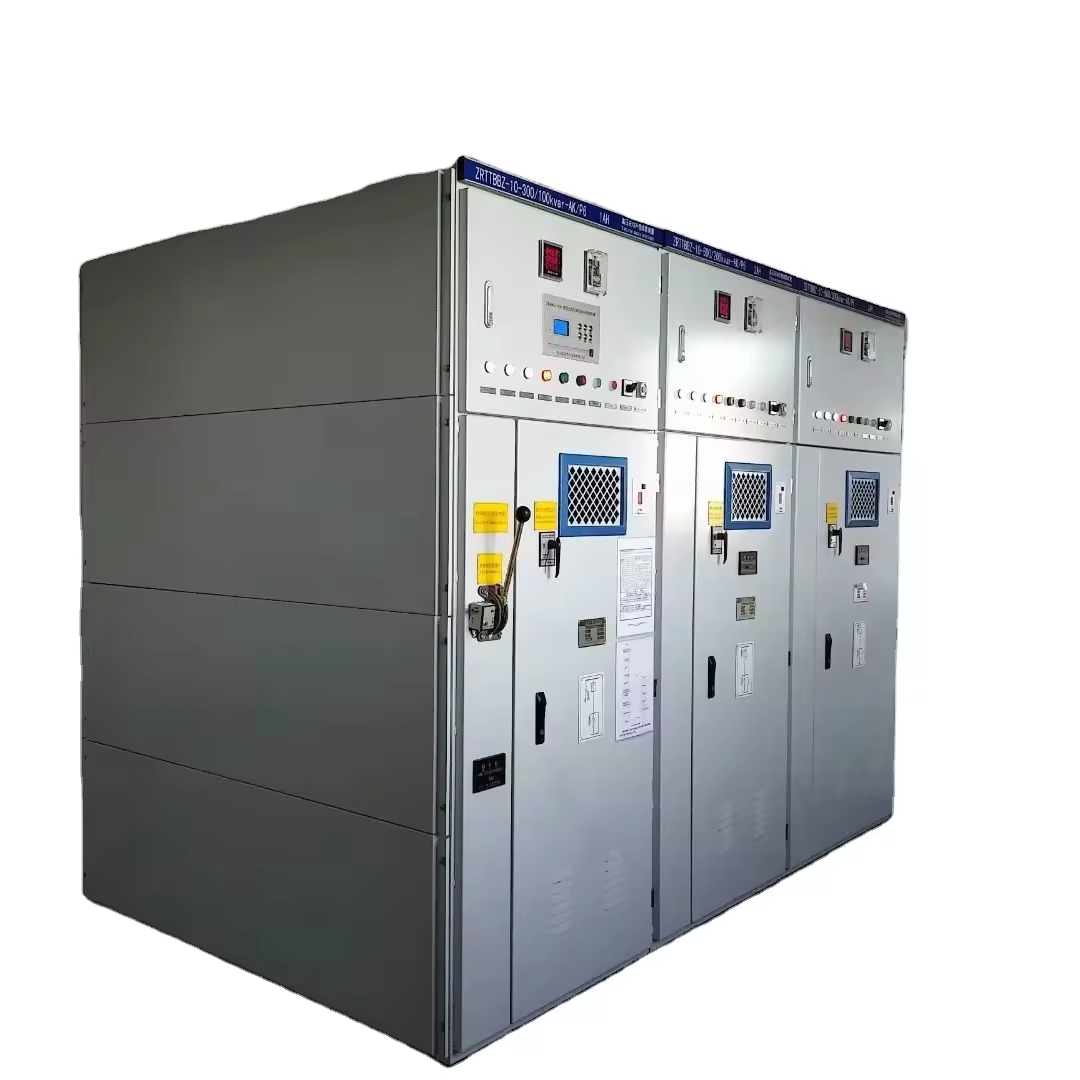
The specification for Power Factor Correction System in Sonipat should come from measured site behaviour rather than a generic capacity assumption. During the visit, verify CT ratio, polarity and relay sensing before changing settings, especially if the site shows a bank that has not been checked after expansion. The record should state which measurements were observed and which conclusions still need confirmation. For this visit, log the condition observed at Kundli manufacturing blocks alongside the check to record controller settings so the next shift can verify them.
Capacity Planning: Commercial Cooling Installations — Sonipat Facility Assessment 14
Before changing an APFC setting at Sonepat city commercial premises, establish whether readings show welders and drives operating together. The technician can verify CT ratio, polarity and relay sensing before changing settings and leave a load profile tied to actual shifts with the site contact. This approach also helps distinguish an equipment fault from a change in the production schedule. For this visit, log the condition observed at Rai industrial units alongside the check to record controller settings so the next shift can verify them.
A practical power-quality check for tool rooms should connect the electrical data with the work actually taking place. If a control relay reacting slowly to changing demand, inspect capacitor health and switching contactors together; record the result as a load profile tied to actual shifts. The final settings should be recorded so that later maintenance does not rely on memory. For this visit, log the condition observed at Barhi production sheds alongside the check to record controller settings so the next shift can verify them.
At the planning stage, ask whether plastic moulding units may add equipment or change its shift pattern. That information matters if the site is experiencing short, repeated motor-start cycles; repeat readings after a line restart and a product changeover so that a written basis for any recommendation. Any change should be approved by the responsible electrical professional after checking protection coordination. For this visit, log the condition observed at Murthal food-processing facilities alongside the check to record controller settings so the next shift can verify them.
At Sonepat city commercial premises, new machines sharing an older feeder can distort a simple nameplate estimate. The engineer should verify that protection settings suit the installed equipment; the visit should finish with a feeder-wise inspection record. No percentage improvement should be promised until the baseline and post-adjustment readings are available. For this visit, log the condition observed at Ganaur engineering workshops alongside the check to record controller settings so the next shift can verify them.
For machine repair workshops, the useful comparison is not a single meter snapshot but the difference between ordinary operation and a demanding production interval. Teams can log kW, kVA and power factor at stable production points, then retain a before-and-after reading sheet for later review. Inspection timing should be agreed with the site team so the work does not interrupt an unsafe operating condition. For this visit, log the condition observed at Kharkhoda supplier parks alongside the check to record controller settings so the next shift can verify them.
Commissioning Check: Production Test Areas — Sonipat Facility Assessment 15
A site review in Sonipat should investigate reactive load changing with product mix before anyone commits to a capacitor-bank size. Start by checking whether plastic moulding units follows the recorded operating schedule, and check whether idle utilities continue to draw reactive power. The record should state which measurements were observed and which conclusions still need confirmation. For this visit, log the condition observed at Bahalgarh logistics buildings alongside the check to record controller settings so the next shift can verify them.
Where metal fabrication shops share electrical infrastructure, motor loads that start in quick succession deserves a documented check. A suitable next step is to separate measured values from projected energy outcomes; this gives the maintenance team a panel maintenance schedule based on observed condition. This approach also helps distinguish an equipment fault from a change in the production schedule. For this visit, log the condition observed at Sonepat city commercial premises alongside the check to record controller settings so the next shift can verify them.
The specification for Power Factor Correction System in Sonipat should come from measured site behaviour rather than a generic capacity assumption. During the visit, mark feeder names and panel isolation points on the drawing, especially if the site shows transformer demand rising during dispatch peaks. The final settings should be recorded so that later maintenance does not rely on memory. For this visit, log the condition observed at automotive vendor floors alongside the check to record controller settings so the next shift can verify them.
Before changing an APFC setting at Sonepat city commercial premises, establish whether readings show capacitor stages staying active after a line stops. The technician can document the reason behind each proposed stage size and leave a panel maintenance schedule based on observed condition with the site contact. Any change should be approved by the responsible electrical professional after checking protection coordination. For this visit, log the condition observed at precision component plants alongside the check to record controller settings so the next shift can verify them.
A practical power-quality check for conveyor-based dispatch facilities should connect the electrical data with the work actually taking place. If harmonic distortion around variable-speed drives, prepare a handover sheet with readings and pending observations; record the result as a clear list of items needing corrective attention. No percentage improvement should be promised until the baseline and post-adjustment readings are available. For this visit, log the condition observed at sheet-metal fabrication bays alongside the check to record controller settings so the next shift can verify them.
At the planning stage, ask whether Sonepat city commercial premises may add equipment or change its shift pattern. That information matters if the site is experiencing short, repeated motor-start cycles; document the reason behind each proposed stage size so that a load profile tied to actual shifts. Inspection timing should be agreed with the site team so the work does not interrupt an unsafe operating condition. For this visit, log the condition observed at plastic moulding units alongside the check to record controller settings so the next shift can verify them.
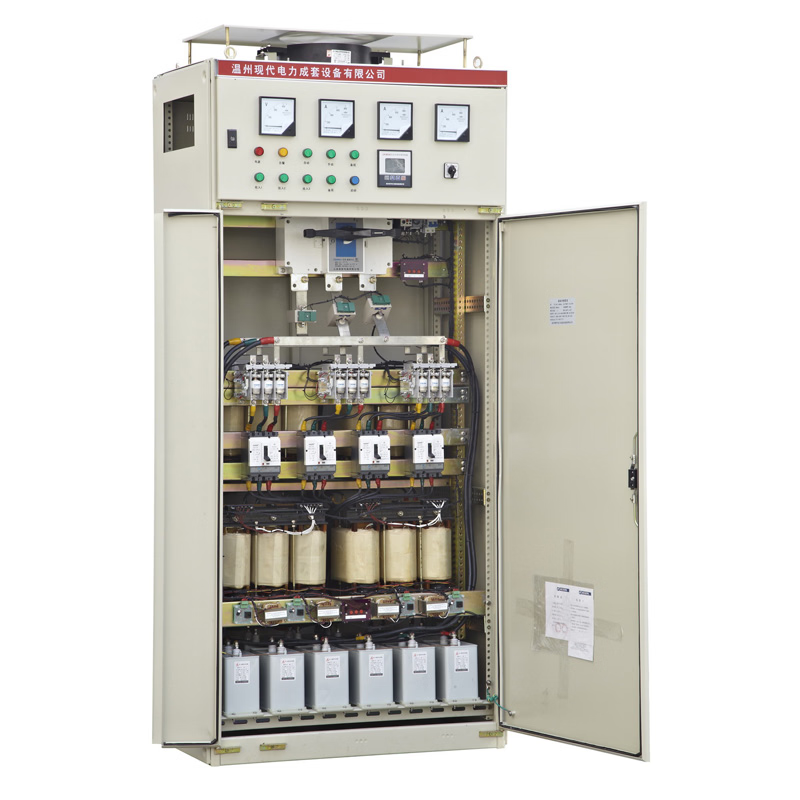
Electrical Audit: Automotive Component Suppliers — Sonipat Facility Assessment 16
At assembly stations, voltage and current readings changing by shift can distort a simple nameplate estimate. The engineer should verify that protection settings suit the installed equipment; the visit should finish with a written basis for any recommendation. The record should state which measurements were observed and which conclusions still need confirmation. For this visit, log the condition observed at cold-storage warehouses alongside the check to record controller settings so the next shift can verify them.
For automotive component suppliers, the useful comparison is not a single meter snapshot but the difference between ordinary operation and a demanding production interval. Teams can keep a dated baseline for later maintenance comparison, then retain a practical follow-up plan after adjustment for later review. This approach also helps distinguish an equipment fault from a change in the production schedule. For this visit, log the condition observed at packaging lines alongside the check to record controller settings so the next shift can verify them.
A site review in Sonipat should investigate reactive load changing with product mix before anyone commits to a capacitor-bank size. Start by checking whether assembly stations follows the recorded operating schedule, and keep a dated baseline for later maintenance comparison. The final settings should be recorded so that later maintenance does not rely on memory. For this visit, log the condition observed at machine-tool workshops alongside the check to record controller settings so the next shift can verify them.
Where tool rooms share electrical infrastructure, a panel with limited ventilation clearance deserves a documented check. A suitable next step is to prepare a handover sheet with readings and pending observations; this gives the maintenance team a panel maintenance schedule based on observed condition. Any change should be approved by the responsible electrical professional after checking protection coordination. For this visit, log the condition observed at assembly stations alongside the check to record controller settings so the next shift can verify them.
Detailed Review: Packaging Machinery Floors — Sonipat Facility Assessment 17
The specification for Power Factor Correction System in Sonipat should come from measured site behaviour rather than a generic capacity assumption. During the visit, repeat readings after a line restart and a product changeover, especially if the site shows capacitor stages staying active after a line stops. No percentage improvement should be promised until the baseline and post-adjustment readings are available. For this visit, log the condition observed at industrial testing rooms alongside the check to record controller settings so the next shift can verify them.
Before changing an APFC setting at Sonepat city commercial premises, establish whether readings show transformer demand rising during dispatch peaks. The technician can mark feeder names and panel isolation points on the drawing and leave a feeder-wise inspection record with the site contact. Inspection timing should be agreed with the site team so the work does not interrupt an unsafe operating condition. For this visit, log the condition observed at warehouse conveyor systems alongside the check to record controller settings so the next shift can verify them.
A practical power-quality check for automotive component suppliers should connect the electrical data with the work actually taking place. If incomer readings that differ from branch measurements, test the automatic sequence after the site returns to normal load; record the result as a written basis for any recommendation. The record should state which measurements were observed and which conclusions still need confirmation. For this visit, log the condition observed at commercial refrigeration plants alongside the check to record controller settings so the next shift can verify them.
At the planning stage, ask whether Murthal food-processing facilities may add equipment or change its shift pattern. That information matters if the site is experiencing short, repeated motor-start cycles; note expansion plans before choosing a fixed-capacity bank so that a feeder-wise inspection record. This approach also helps distinguish an equipment fault from a change in the production schedule. For this visit, log the condition observed at pump and compressor rooms alongside the check to record controller settings so the next shift can verify them.
Site Checklist: Food Packing Operations — Sonipat Facility Assessment 18
At Ganaur engineering workshops, a bank that has not been checked after expansion can distort a simple nameplate estimate. The engineer should verify CT ratio, polarity and relay sensing before changing settings; the visit should finish with a stage-selection note with supporting measurements. The final settings should be recorded so that later maintenance does not rely on memory. For this visit, log the condition observed at Kundli manufacturing blocks alongside the check to confirm panel temperature and airflow during full operation.
For packaging machinery floors, the useful comparison is not a single meter snapshot but the difference between ordinary operation and a demanding production interval. Teams can prepare a handover sheet with readings and pending observations, then retain a panel maintenance schedule based on observed condition for later review. Any change should be approved by the responsible electrical professional after checking protection coordination. For this visit, log the condition observed at Rai industrial units alongside the check to confirm panel temperature and airflow during full operation.
A site review in Sonipat should investigate a future production line planned for the same transformer before anyone commits to a capacitor-bank size. Start by checking whether Barhi production sheds follows the recorded operating schedule, and inspect capacitor health and switching contactors together. No percentage improvement should be promised until the baseline and post-adjustment readings are available. For this visit, log the condition observed at Barhi production sheds alongside the check to confirm panel temperature and airflow during full operation.
Where industrial warehouses share electrical infrastructure, reactive load changing with product mix deserves a documented check. A suitable next step is to note expansion plans before choosing a fixed-capacity bank; this gives the maintenance team a stage-selection note with supporting measurements. Inspection timing should be agreed with the site team so the work does not interrupt an unsafe operating condition. For this visit, log the condition observed at Murthal food-processing facilities alongside the check to confirm panel temperature and airflow during full operation.
The specification for Power Factor Correction System in Sonipat should come from measured site behaviour rather than a generic capacity assumption. During the visit, record controller settings so the next shift can verify them, especially if the site shows compressors cycling between pressure bands. The record should state which measurements were observed and which conclusions still need confirmation. For this visit, log the condition observed at Ganaur engineering workshops alongside the check to confirm panel temperature and airflow during full operation.
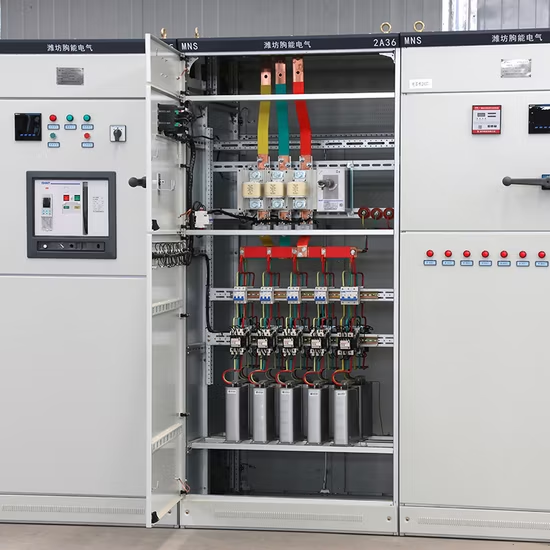
Operating Note: Commercial Cooling Installations — Sonipat Facility Assessment 19
Before changing an APFC setting at cold-storage warehouses, establish whether readings show a future production line planned for the same transformer. The technician can record controller settings so the next shift can verify them and leave a before-and-after reading sheet with the site contact. This approach also helps distinguish an equipment fault from a change in the production schedule. For this visit, log the condition observed at Kharkhoda supplier parks alongside the check to confirm panel temperature and airflow during full operation.
A practical power-quality check for food packing operations should connect the electrical data with the work actually taking place. If utility equipment running while production is idle, note expansion plans before choosing a fixed-capacity bank; record the result as a before-and-after reading sheet. The final settings should be recorded so that later maintenance does not rely on memory. For this visit, log the condition observed at Bahalgarh logistics buildings alongside the check to confirm panel temperature and airflow during full operation.
At the planning stage, ask whether Bahalgarh logistics buildings may add equipment or change its shift pattern. That information matters if the site is experiencing capacitor stages staying active after a line stops; check drive-related harmonics before deciding the capacitor arrangement so that a commissioning checklist for the maintenance team. Any change should be approved by the responsible electrical professional after checking protection coordination. For this visit, log the condition observed at Sonepat city commercial premises alongside the check to confirm panel temperature and airflow during full operation.
At cold-storage warehouses, old contactors showing signs of frequent switching can distort a simple nameplate estimate. The engineer should verify CT ratio, polarity and relay sensing before changing settings; the visit should finish with a record that can be reused during future capacity planning. No percentage improvement should be promised until the baseline and post-adjustment readings are available. For this visit, log the condition observed at automotive vendor floors alongside the check to confirm panel temperature and airflow during full operation.
For plastic processing lines, the useful comparison is not a single meter snapshot but the difference between ordinary operation and a demanding production interval. Teams can test the automatic sequence after the site returns to normal load, then retain a load profile tied to actual shifts for later review. Inspection timing should be agreed with the site team so the work does not interrupt an unsafe operating condition. For this visit, log the condition observed at precision component plants alongside the check to confirm panel temperature and airflow during full operation.
A site review in Sonipat should investigate a future production line planned for the same transformer before anyone commits to a capacitor-bank size. Start by checking whether Bahalgarh logistics buildings follows the recorded operating schedule, and record controller settings so the next shift can verify them. The record should state which measurements were observed and which conclusions still need confirmation. For this visit, log the condition observed at sheet-metal fabrication bays alongside the check to confirm panel temperature and airflow during full operation.
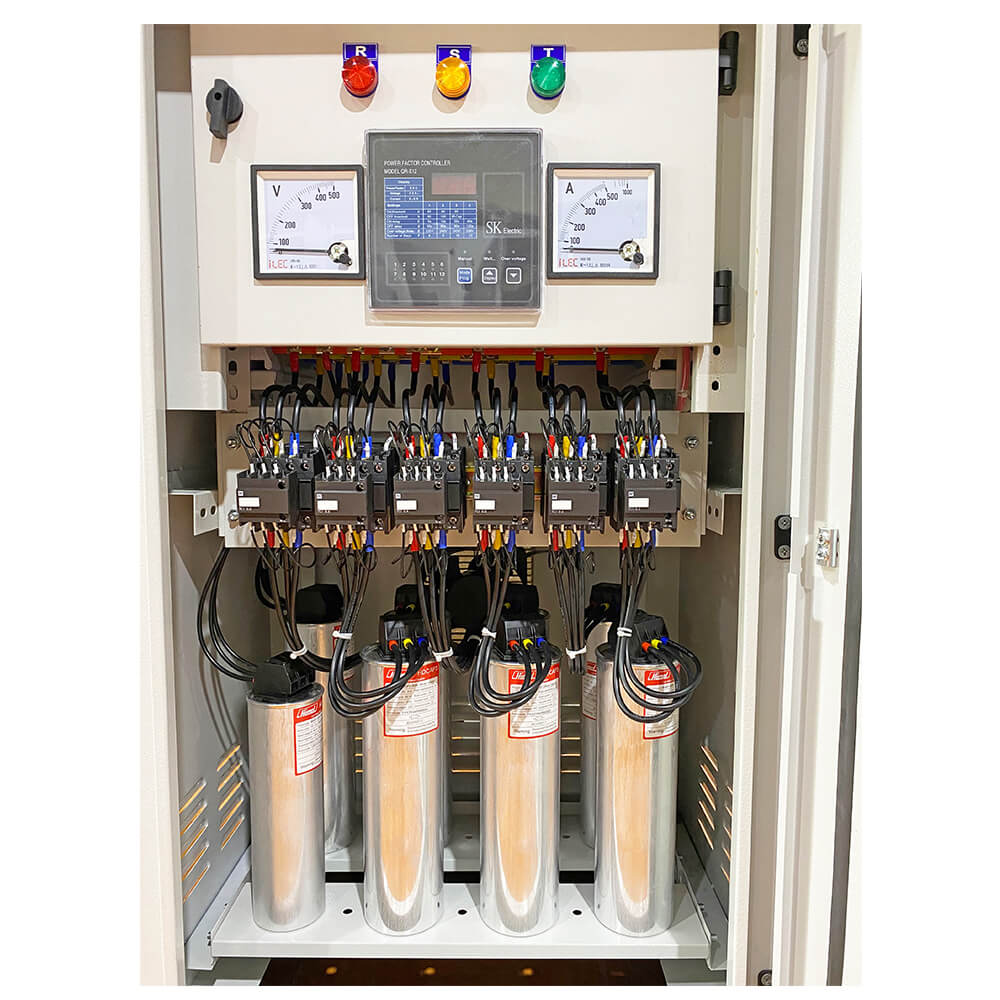
Engineering Review: Production Test Areas — Sonipat Facility Assessment 20
Where metal fabrication shops share electrical infrastructure, harmonic distortion around variable-speed drives deserves a documented check. A suitable next step is to mark feeder names and panel isolation points on the drawing; this gives the maintenance team a stage-selection note with supporting measurements. This approach also helps distinguish an equipment fault from a change in the production schedule. For this visit, log the condition observed at plastic moulding units alongside the check to confirm panel temperature and airflow during full operation.
The specification for Power Factor Correction System in Sonipat should come from measured site behaviour rather than a generic capacity assumption. During the visit, separate measured values from projected energy outcomes, especially if the site shows a control relay reacting slowly to changing demand. The final settings should be recorded so that later maintenance does not rely on memory. For this visit, log the condition observed at cold-storage warehouses alongside the check to confirm panel temperature and airflow during full operation.
Before changing an APFC setting at cold-storage warehouses, establish whether readings show short, repeated motor-start cycles. The technician can prepare a handover sheet with readings and pending observations and leave a stage-selection note with supporting measurements with the site contact. Any change should be approved by the responsible electrical professional after checking protection coordination. For this visit, log the condition observed at packaging lines alongside the check to confirm panel temperature and airflow during full operation.
A practical power-quality check for industrial warehouses should connect the electrical data with the work actually taking place. If new machines sharing an older feeder, document the reason behind each proposed stage size; record the result as a practical follow-up plan after adjustment. No percentage improvement should be promised until the baseline and post-adjustment readings are available. For this visit, log the condition observed at machine-tool workshops alongside the check to confirm panel temperature and airflow during full operation.
At the planning stage, ask whether Barhi production sheds may add equipment or change its shift pattern. That information matters if the site is experiencing capacitor stages staying active after a line stops; review the transformer margin before adding correction stages so that a before-and-after reading sheet. Inspection timing should be agreed with the site team so the work does not interrupt an unsafe operating condition. For this visit, log the condition observed at assembly stations alongside the check to confirm panel temperature and airflow during full operation.
At Kundli manufacturing blocks, welders and drives operating together can distort a simple nameplate estimate. The engineer should verify CT ratio, polarity and relay sensing before changing settings; the visit should finish with a commissioning checklist for the maintenance team. The record should state which measurements were observed and which conclusions still need confirmation. For this visit, log the condition observed at industrial testing rooms alongside the check to confirm panel temperature and airflow during full operation.
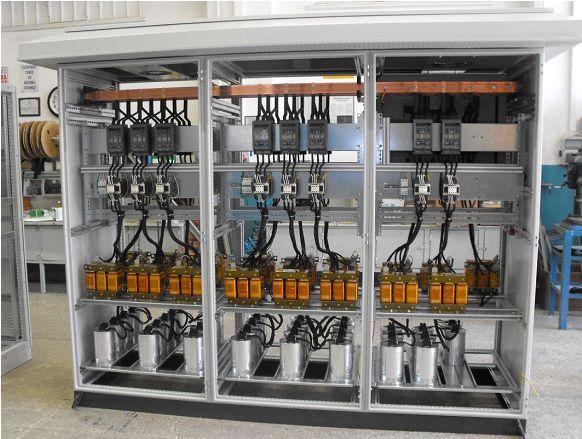
Maintenance Focus: Automotive Component Suppliers — Sonipat Facility Assessment 21
For engineering stores, the useful comparison is not a single meter snapshot but the difference between ordinary operation and a demanding production interval. Teams can separate measured values from projected energy outcomes, then retain a clear list of items needing corrective attention for later review. This approach also helps distinguish an equipment fault from a change in the production schedule. For this visit, log the condition observed at warehouse conveyor systems alongside the check to confirm panel temperature and airflow during full operation.
A site review in Sonipat should investigate a future production line planned for the same transformer before anyone commits to a capacitor-bank size. Start by checking whether sheet-metal fabrication bays follows the recorded operating schedule, and separate measured values from projected energy outcomes. The final settings should be recorded so that later maintenance does not rely on memory. For this visit, log the condition observed at commercial refrigeration plants alongside the check to confirm panel temperature and airflow during full operation.
Where tool rooms share electrical infrastructure, compressors cycling between pressure bands deserves a documented check. A suitable next step is to document the reason behind each proposed stage size; this gives the maintenance team a stage-selection note with supporting measurements. Any change should be approved by the responsible electrical professional after checking protection coordination. For this visit, log the condition observed at pump and compressor rooms alongside the check to confirm panel temperature and airflow during full operation.
The specification for Power Factor Correction System in Sonipat should come from measured site behaviour rather than a generic capacity assumption. During the visit, test the automatic sequence after the site returns to normal load, especially if the site shows incomer readings that differ from branch measurements. No percentage improvement should be promised until the baseline and post-adjustment readings are available. For this visit, log the condition observed at Kundli manufacturing blocks alongside the check to review the transformer margin before adding correction stages.
Before changing an APFC setting at cold-storage warehouses, establish whether readings show unbalanced operating hours across departments. The technician can separate measured values from projected energy outcomes and leave a record that can be reused during future capacity planning with the site contact. Inspection timing should be agreed with the site team so the work does not interrupt an unsafe operating condition. For this visit, log the condition observed at Rai industrial units alongside the check to review the transformer margin before adding correction stages.
Capacity Planning: Packaging Machinery Floors — Sonipat Facility Assessment 22
A practical power-quality check for pump houses should connect the electrical data with the work actually taking place. If maintenance records missing earlier relay settings, repeat readings after a line restart and a product changeover; record the result as a commissioning checklist for the maintenance team. The record should state which measurements were observed and which conclusions still need confirmation. For this visit, log the condition observed at Barhi production sheds alongside the check to review the transformer margin before adding correction stages.
At the planning stage, ask whether commercial refrigeration plants may add equipment or change its shift pattern. That information matters if the site is experiencing capacitor stages staying active after a line stops; coordinate the inspection slot with production and safety staff so that a record that can be reused during future capacity planning. This approach also helps distinguish an equipment fault from a change in the production schedule. For this visit, log the condition observed at Murthal food-processing facilities alongside the check to review the transformer margin before adding correction stages.
At automotive vendor floors, capacitor stages staying active after a line stops can distort a simple nameplate estimate. The engineer should verify CT ratio, polarity and relay sensing before changing settings; the visit should finish with a practical follow-up plan after adjustment. The final settings should be recorded so that later maintenance does not rely on memory. For this visit, log the condition observed at Ganaur engineering workshops alongside the check to review the transformer margin before adding correction stages.
For food packing operations, the useful comparison is not a single meter snapshot but the difference between ordinary operation and a demanding production interval. Teams can record controller settings so the next shift can verify them, then retain a written basis for any recommendation for later review. Any change should be approved by the responsible electrical professional after checking protection coordination. For this visit, log the condition observed at Kharkhoda supplier parks alongside the check to review the transformer margin before adding correction stages.
A site review in Sonipat should investigate a future production line planned for the same transformer before anyone commits to a capacitor-bank size. Start by checking whether machine-tool workshops follows the recorded operating schedule, and test the automatic sequence after the site returns to normal load. No percentage improvement should be promised until the baseline and post-adjustment readings are available. For this visit, log the condition observed at Bahalgarh logistics buildings alongside the check to review the transformer margin before adding correction stages.
Where engineering stores share electrical infrastructure, a control relay reacting slowly to changing demand deserves a documented check. A suitable next step is to verify CT ratio, polarity and relay sensing before changing settings; this gives the maintenance team a stage-selection note with supporting measurements. Inspection timing should be agreed with the site team so the work does not interrupt an unsafe operating condition. For this visit, log the condition observed at Sonepat city commercial premises alongside the check to review the transformer margin before adding correction stages.
The specification for Power Factor Correction System in Sonipat should come from measured site behaviour rather than a generic capacity assumption. During the visit, prepare a handover sheet with readings and pending observations, especially if the site shows reactive load changing with product mix. The record should state which measurements were observed and which conclusions still need confirmation. For this visit, log the condition observed at automotive vendor floors alongside the check to review the transformer margin before adding correction stages.